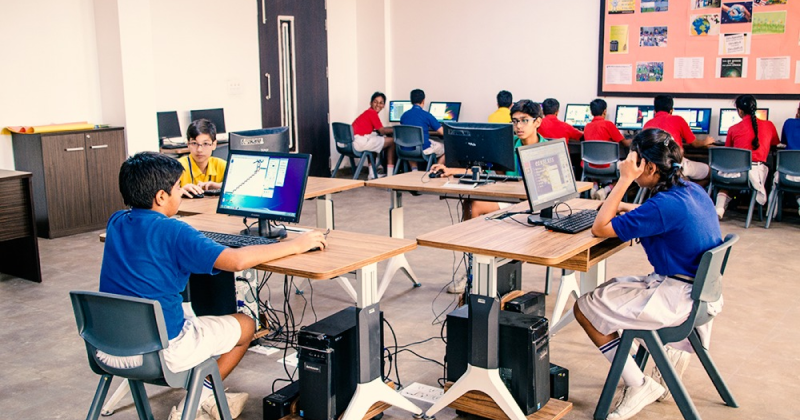
Understanding Education in a Rapidly Changing World
Education has shifted from a traditional classroom model to a multidimensional system that influences economic growth, workforce readiness, personal development, and community stability. In the United States, Education shapes how people access opportunity, adapt to change, and contribute to an increasingly complex society. Within the first stages of learning, students gain foundational skills, yet the long term impact of Education extends far beyond academic content. It builds critical thinking abilities, strengthens problem solving capacity, and supports social adaptability, all of which play a vital role in long term success.
During the past two decades, digital learning tools, personalized instruction, and research backed teaching strategies have ushered in a new era of Education. These advancements create more equitable access to learning opportunities and allow learners to progress at their own pace. At the same time, educators are expected to integrate technology, data analytics, and real time feedback methods into daily instruction. These expectations highlight the ongoing evolution taking place across the modern learning landscape.
The Foundations of a Strong Educational System
A successful educational system relies on several core components. Each component influences student outcomes, teacher effectiveness, and long term workforce readiness.
High Quality Curriculum Design
Curriculum development sets the tone for what students learn and how they interact with knowledge. Effective curriculum design focuses on:
- Clear learning objectives that match real world demands
- Instructional materials that encourage exploration and curiosity
- Assessment methods that measure both understanding and application
- Culturally relevant content that reflects diverse backgrounds
- Continuous revision based on emerging research
When curriculum design aligns with cognitive development and skill progression, students are more willing to engage and more capable of transferring knowledge to practical situations.
Skilled and Supported Educators
Teachers play one of the most influential roles in student achievement. Their ability to lead discussions, model problem solving, and maintain classroom structure directly impacts learning. Strong support systems help teachers excel through:
- Ongoing professional development
- Coaching and mentoring programs
- Collaborative planning with peers
- Access to digital tools that simplify instruction
- Opportunities for leadership within their schools
These supports reduce burnout, promote creativity, and empower teachers to adopt new teaching strategies that match evolving student needs.
Safe and Inclusive Learning Environments
Students perform better academically when they feel safe, supported, and respected. Schools must establish environments where:
- Students experience consistent routines
- Bullying prevention programs are enforced
- Social emotional learning is integrated into daily activities
- Families feel welcome and informed
- Students with disabilities have full access to resources
An inclusive environment nurtures confidence and encourages students to take intellectual risks that strengthen learning outcomes.
The Role of Technology in Modern Learning
Technology has become a fundamental part of Education. It influences the way students research information, practice skills, and collaborate with classmates.
Digital Learning Platforms and Personalized Instruction
Digital tools allow teachers to tailor instruction to meet individual needs. Personalized learning platforms provide:
- Immediate feedback on assignments
- Adaptive practice activities that adjust to student performance
- Progress tracking dashboards for teachers and families
- Multimedia lessons that appeal to visual and auditory learners
- Data that helps teachers identify areas of struggle
This approach supports mastery learning instead of time based progression. Students move forward only when they fully understand the content.
Remote and Hybrid Learning Models
Although in person instruction remains the foundation of Education, remote and hybrid models have expanded learning opportunities for many families. These models offer:
- Flexible schedules for students balancing work or family responsibilities
- Increased access to specialized courses not offered in every district
- Opportunities to connect with educators across geographic boundaries
- A chance for students to build digital literacy skills that are essential in modern careers
Hybrid learning, when structured effectively, blends the strengths of classroom instruction with the adaptability of online platforms.
Assistive Technology for Diverse Learners
Students with learning differences benefit significantly from tools that remove barriers. Assistive technologies include:
- Text to speech software
- Speech recognition tools
- Digital note taking programs
- Audiobooks and enhanced e readers
- Visual scheduling apps
These tools give students the freedom to engage with material independently and help them develop confidence in their abilities.
The Economic Impact of Education
A strong educational system supports national economic stability. It fuels innovation, strengthens workforce competitiveness, and reduces long term social costs.
Workforce Preparation and Skill Development
Employers increasingly seek candidates with a mix of technical expertise and soft skills. Modern Education helps students develop:
- Critical thinking
- Collaboration and communication
- Analytical reasoning
- Digital competency
- Adaptability and resilience
Career pathways programs allow students to explore technical fields, healthcare roles, skilled trades, engineering, and other in demand professions.
Higher Education and Lifetime Earning Potential
While not all jobs require a college degree, postsecondary training improves career options and earning potential. People with advanced education typically experience:
- Higher employment rates
- Access to specialized positions
- Better long term financial security
- Improved mobility within their industry
- Greater chances of starting entrepreneurial ventures
This connection between education and economic mobility highlights why investment in learning systems remains essential.
Equity and Access in American Education
Equal access to learning opportunities is a long term challenge across many communities. Addressing equity requires a deep understanding of the barriers students face.
Financial Barriers and Resource Gaps
Schools in under resourced communities often experience:
- Outdated materials
- Limited extracurricular offerings
- Reduced access to advanced coursework
- Fewer technology resources
- Higher student to teacher ratios
These gaps can widen achievement disparities if not addressed through targeted funding and community partnerships.
Cultural and Linguistic Inclusion
Schools serve students from diverse linguistic and cultural backgrounds. To support them effectively, educators must:
- Use teaching materials that reflect varied cultural experiences
- Offer language support programs for multilingual learners
- Engage families through translated communication
- Promote culturally sensitive teaching practices
This inclusion ensures all students feel represented and supported.
Access for Students With Disabilities
Students with disabilities rely on legally protected services, but the implementation of these services varies widely. Strengthening access requires:
- High quality individualized education plans
- Trained special education staff
- Consistent progress monitoring
- Collaboration between general and special educators
- Reliable assistive technologies
Meeting these needs improves academic outcomes and helps students prepare for independent adulthood.
The Importance of Social Emotional Development
Academic growth does not occur in isolation. Students must develop emotional maturity, interpersonal skills, and self management abilities.
Building Emotional Intelligence in Schools
Schools encourage emotional intelligence by teaching:
- Self awareness strategies
- Conflict resolution techniques
- Mindfulness practices
- Healthy coping skills
- Responsible decision making
These lessons create supportive classrooms and help students navigate stress more effectively.
Strengthening Community and Belonging
A sense of belonging improves student engagement. Schools strengthen community by:
- Supporting extracurricular activities
- Celebrating student achievements
- Encouraging peer mentorship
- Hosting family events
- Building relationships between staff and students
Belonging motivates students to attend regularly and contribute positively to their school environment.
The Future Direction of Education
American Education continues to evolve in response to economic changes, workforce demands, and technological advancement.
Emphasis on Lifelong Learning
Rapid technological progress means people must continue learning throughout adulthood. Lifelong learning supports:
- Career advancement
- Career changes
- Personal growth
- Increased civic participation
- Entrepreneurship
Many industries now value ongoing training just as much as initial credentials.
Growth of Competency Based Learning
Competency based systems evaluate skill mastery rather than seat time. This approach:
- Allows students to move at their own pace
- Focuses on demonstrated understanding
- Encourages deep learning instead of memorization
- Creates more flexible learning models
This structure aligns with employer expectations and real world problem solving.
Stronger Focus on Mental Health Support
Schools increasingly recognize the connection between mental health and academic success. Future improvements may include:
- Expanded school counseling teams
- Integrated mental health services
- Partnerships with community therapists
- Training for teachers in mental health awareness
- Wellness programs that support staff and students
These tools help build healthier learning communities.
Frequently Asked Questions
Why is Education considered a long term investment?
Education increases earning potential and expands career options. Over time it leads to higher income, better job stability, and improved financial security. These outcomes create long term economic benefits for both individuals and communities.
How does technology improve learning outcomes?
Technology provides personalized instruction, immediate feedback, and access to vast information. It helps teachers identify student needs quickly and allows learners to explore topics in multiple formats. This leads to more efficient and meaningful learning.
What can parents do to support their child’s education?
Parents can maintain communication with teachers, encourage reading at home, create consistent routines, and stay informed about school expectations. Simple actions like checking homework or discussing daily lessons can significantly influence student engagement.
Are remote learning models effective for all students?
Remote learning works well for self motivated students and those who need flexible schedules. However, some learners require face to face interaction to stay engaged. A balanced approach, such as hybrid learning, often provides the best results.
How does emotional development influence academic achievement?
Students who can manage stress, communicate effectively, and understand their emotions are better prepared to focus, problem solve, and collaborate. Emotional development contributes directly to classroom behavior and academic success.
If you would like a deeper exploration of any specific Education topic, I can create a more targeted article.
