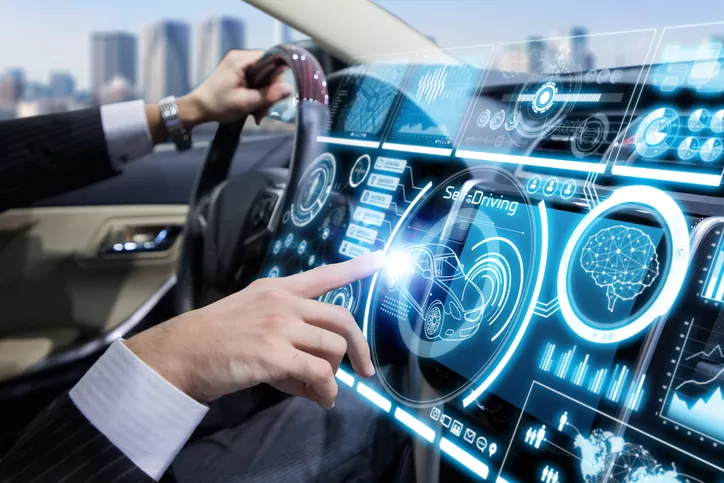
Understanding the Modern Auto Landscape
The word Auto has become far more expansive than its original association with mechanical vehicles. Today it represents a complex ecosystem built on engineering, digital intelligence, consumer behavior, and regulatory evolution. Within the first phase of this ecosystem, Auto manufacturers shifted from traditional mechanical systems to computer-controlled platforms. That transformation continues to grow, shaping how people travel, how goods move, and how cities develop. As demand for smarter vehicles rises, the Auto sector has become one of the most influential forces defining the future of mobility in the United States and beyond.
Advances in connectivity, sustainable powertrains, and safety engineering have placed the modern Auto industry at a turning point. Consumers expect vehicles to adapt to their digital lifestyles, while governments enforce efficiency standards that push innovation. These pressures create an environment that rewards companies capable of balancing comfort, technology, and environmental responsibility. Understanding this evolution helps reveal why the Auto sector remains one of the most dynamic areas of domestic innovation.
The Shifting Foundation of Auto Engineering
The engineering foundation supporting modern vehicles has transitioned from purely mechanical craftsmanship to a blend of hardware and intelligent software systems. This shift affects everything from manufacturing methods to maintenance practices.
The Integration of Onboard Computer Systems
Vehicles now function like rolling computers equipped with dozens of microcontrollers and integrated sensors. These systems manage:
- Engine timing and performance
- Fuel injection patterns
- Stability and traction control
- Automated climate systems
- Sensor-based driver assistance functions
With the rise of connected platforms, vehicles can diagnose issues, download updates, and communicate essential information to service centers. This progression reduces human error, increases uptime, and enhances energy efficiency.
Materials and Structural Innovation
Modern Auto engineering utilizes lightweight materials to achieve safety, efficiency, and durability. Aluminum alloys, advanced steel blends, carbon fiber, and composite plastics have become more common in vehicle design. These materials:
- Improve crash energy distribution
- Increase fuel economy
- Support reinforcing structures for battery packs
- Reduce long-term corrosion
Today’s material innovations enable designers to create aerodynamic shapes without sacrificing cabin space or safety performance.
The Growth of Electrification in the Auto Sector
Electric vehicles represent one of the most profound changes in the history of Auto development. Electrification reshapes not only how vehicles operate but also how energy systems, infrastructure, and consumer habits evolve.
Battery Technology Improvements
Advances in battery chemistry and design have made electric vehicles more accessible. Key developments include:
- Higher energy density for extended range
- Faster charging capabilities
- Longer cycle life
- Safer thermal management systems
The growing availability of public charging stations encourages widespread adoption, especially in major cities where drivers may not have access to home charging.
Environmental and Efficiency Benefits
Electric vehicles offer meaningful contributions to environmental goals through:
- Lower operational emissions
- Reduced dependence on nonrenewable fuels
- Higher energy-to-motion conversion efficiency
- Cleaner urban air quality
These benefits have prompted state and federal incentives that continue to accelerate interest in electrification.
Advanced Driver Assistance and Intelligent Mobility
Intelligent mobility is becoming central to modern vehicle design. Auto manufacturers now integrate advanced driver assistance systems that enhance safety and reduce accidents.
Core Components of Intelligent Vehicle Systems
Several technologies form the basis of modern driver assistance:
- Forward collision alerts
- Adaptive cruise control
- Lane centering and lane departure warnings
- Blind-spot monitoring
- Automated emergency braking
- Parking sensors and automated parking assistance
These systems rely on radar, lidar, ultrasonic sensors, and cameras. Their combined data creates a multi-layered perception network that supports drivers in high-risk conditions and reduces reaction time.
The Road Toward Higher Automation Levels
Although fully autonomous vehicles remain under development, incremental improvements continue to reduce driver burden. Higher automation levels expect vehicles to:
- Navigate highways independently
- Identify complex road patterns
- Respond proactively to hazards
- Maintain optimal speeds and following distances
These capabilities could dramatically reshape commuting patterns and freight transport in the future.
The Changing Consumer Relationship With Vehicles
Consumer expectations shape the trajectory of Auto innovation. People want vehicles that blend performance, comfort, reliability, and digital integration. These expectations influence how vehicles are designed, marketed, and serviced.
Personalization and Digital Experiences
Vehicles now integrate smartphone ecosystems, cloud services, and customized user profiles. Common personalization features include:
- Automatic seat and mirror adjustments
- Customized climate presets
- Personalized navigation routing
- Integrated digital payment systems
- Predictive maintenance alerts based on driving habits
This digital personalization improves the ownership experience and offers convenience that traditional cars did not provide.
Rising Interest in Sustainable Mobility
Younger drivers increasingly prefer environmentally responsible choices. This trend influences:
- Hybrid and plug-in hybrid sales
- Biofuel research
- Recycled material usage inside cabins
- Preference for compact, efficient vehicles
- Interest in micro-mobility options
Together these preferences push designers to consider environmental impact throughout a vehicle’s entire life cycle.
The Role of Smart Infrastructure in Auto Development
Although vehicle technology receives much of the attention, infrastructure plays an equally important role.
Intelligent Traffic Management
Cities across the United States are incorporating systems that improve traffic efficiency through:
- Smart traffic lights
- Connected road sensors
- Coordinated emergency response networks
- Digital signage systems
- Congestion monitoring platforms
These systems reduce travel time, enhance roadway safety, and support future autonomous mobility.
Charging Networks and Energy Grids
To support electric mobility, local and national organizations are expanding charging networks. Modern charging stations include:
- Level 2 public chargers suitable for daily use
- High-speed DC fast chargers for long-distance travel
- Solar-powered charging hubs
- Integrated payment and reservation platforms
Grid improvements help ensure energy stability during high-demand periods, especially in regions experiencing large-scale electric vehicle adoption.
The Future of Performance and Powertrains
While efficiency dominates much of the conversation, performance remains a key factor for many drivers. The Auto industry continues exploring ways to enhance acceleration, handling, and reliability across various engine types.
Evolution of Internal Combustion Engines
Although electrification is rising, internal combustion engines continue to adapt through:
- Turbocharging for improved power output
- Variable valve timing for efficiency
- Direct injection systems
- Lightweight engine components
These advancements help traditional engines remain competitive and environmentally responsible.
Electric Performance Capabilities
Electric powertrains introduce instant torque and precise power delivery. Performance EVs demonstrate capabilities such as:
- Rapid acceleration from a standstill
- Low center of gravity due to battery placement
- Precise control through electronic torque vectoring
- Quiet operation at high speeds
These qualities appeal to drivers who appreciate responsive, predictable handling.
Auto Safety Innovations and Crash Prevention
Safety is one of the most heavily regulated components of Auto engineering. Modern vehicles include sophisticated systems to protect occupants and prevent accidents.
Structural Safety Enhancements
Engineering teams use computer simulations and crash testing to refine:
- Crumple zones
- Reinforced passenger cages
- Side-impact beams
- Roof-strength structures
These designs disperse impact forces effectively and keep occupants safer during collisions.
Occupant Protection Technologies
Vehicles feature multiple layers of protective equipment, including:
- Advanced airbag systems
- Anti-whiplash headrests
- Pre-tensioning seat belts
- Child safety seat anchors
- Tire pressure monitoring systems
Combined with intelligent sensors, these technologies respond faster than human reflexes in dangerous situations.
Auto Maintenance in the Age of Digital Diagnostics
Maintenance practices have evolved alongside technological advancements. Technicians now rely on both mechanical expertise and digital diagnostic tools.
Predictive Maintenance and Sensor Monitoring
Vehicles continuously track performance metrics such as:
- Oil quality
- Battery health
- Brake pad wear
- Tire pressure
- Cooling system efficiency
Predictive analytics notify drivers before failures occur, reducing downtime and preventing expensive repairs.
Software Updates and Remote Support
Over-the-air software updates improve functionality without requiring a service appointment. These updates can:
- Refine safety systems
- Improve energy efficiency
- Update navigation maps
- Fix software bugs
- Add new infotainment features
Remote diagnostics allow service centers to review error codes before the vehicle arrives, ensuring faster repairs.
Frequently Asked Questions
What factors should I consider when deciding between electric and traditional vehicles?
Evaluate your driving environment, access to charging stations, maintenance preferences, commute distance, and local incentives. Electric vehicles work best when you have reliable charging options and prefer lower long-term maintenance costs.
How long do modern vehicle batteries usually last?
Most electric vehicle batteries are designed to last at least eight to ten years, though many exceed that with proper care. Temperature control, charging habits, and driving conditions can influence overall longevity.
Do advanced safety systems require special maintenance?
Most systems require standard sensor calibration and software updates during routine service. If sensors become misaligned after a minor bump or repair, the system may need recalibration.
Will internal combustion engines disappear soon?
They are expected to remain in use for decades due to their versatility, existing infrastructure, and strong performance. However, electrification will continue expanding as technology and charging networks improve.
How often should I update vehicle software?
Updates are typically installed automatically or prompted through the infotainment system. It is best to accept updates whenever available to improve performance and security.
If you need a deeper dive into any specific sector within the Auto world, feel free to ask.