Category:

Health

Understanding Health in a Changing World

Health is more than the absence of disease. It represents a complete state of physical, mental, and social well being shaped by lifestyle habits, environmental conditions, and access to medical resources. In the United States, Health remains a central component of long term stability, productivity, and quality of life. Within the first stages of developing a strong Health foundation, individuals learn how nutrition, movement, and mental resilience influence daily performance. As life expectancy increases and chronic conditions rise, Health is now viewed as an active, ongoing pursuit rather than a static condition.

In recent decades, scientific advancements, digital tools, and expanded research have significantly changed how people manage their Health. Wearable devices, preventive screenings, personalized nutrition, and behavioral insights allow individuals to track progress and identify problems early. These innovations demonstrate how Health has evolved into a layered concept requiring attention to multiple interconnected systems. Understanding those systems helps people make informed decisions that support long term vitality.

The Foundations of Physical Health

Physical health depends on the strength and balance of several major systems in the body. When these systems function efficiently, the body can resist illness, repair damage, and maintain energy.

Importance of Cardiovascular Health

The cardiovascular system influences nearly every organ. Strong cardiovascular health supports:

  • Healthy blood flow
  • Oxygen delivery across tissues
  • Regulation of blood pressure
  • Reduced risk of chronic conditions
  • Enhanced endurance and stamina

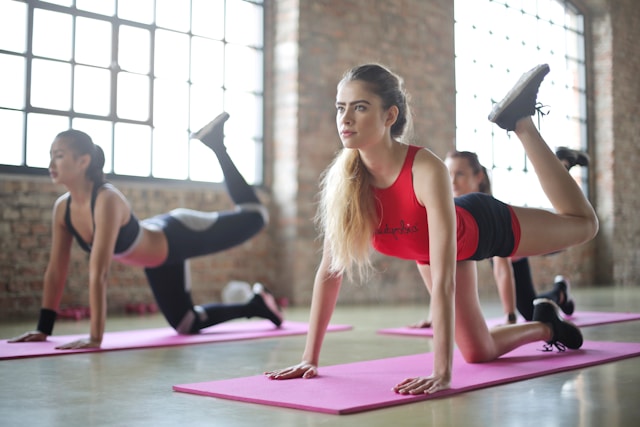
Activities that strengthen cardiovascular health include brisk walking, swimming, cycling, and structured aerobic workouts. Even moderate daily movement improves long term outcomes.

Musculoskeletal Strength and Mobility

The musculoskeletal system supports movement, posture, and stability. Maintaining strength and mobility requires:

  • Resistance training
  • Stretching routines
  • Proper joint alignment
  • Adequate calcium and vitamin D
  • Balanced body mechanics during daily activities

People who maintain musculoskeletal strength reduce their risk of injury, maintain independence longer, and experience improved physical function.

Healthy Body Composition

Healthy body composition focuses on the ratio of fat to muscle rather than weight alone. Improving composition requires:

  • Adequate protein intake
  • Balanced strength training
  • Reduced processed food
  • Consistent sleep patterns
  • Hydration habits

These steps support metabolic function and long term physical health.

Nutrition as the Core Driver of Health

Nutrition influences energy levels, disease prevention, mental function, and body composition.

Balanced Nutrition Principles

Balanced nutrition includes:

  • Lean proteins for muscle repair
  • Whole grains for sustained energy
  • Fruits and vegetables for vitamins and antioxidants
  • Healthy fats for hormone regulation
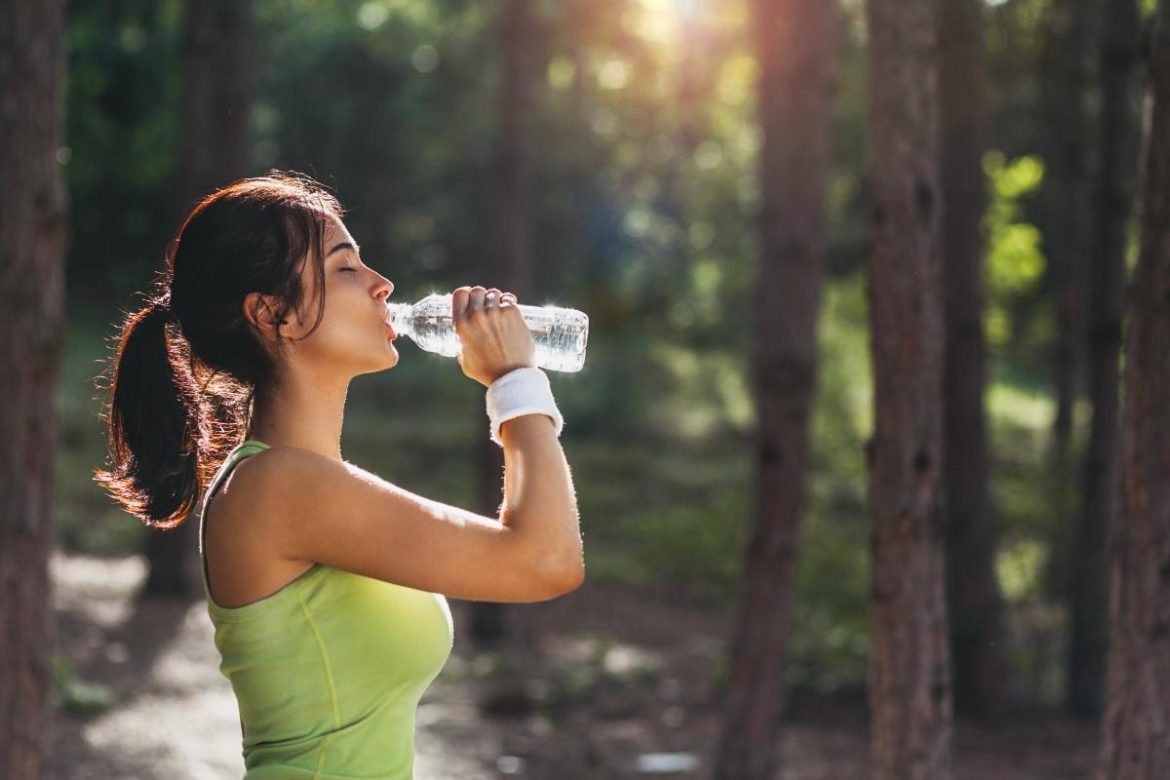
  • Adequate hydration for cellular function

A balanced diet helps regulate blood sugar, improve digestion, and support immunity.

Role of Micronutrients

Micronutrients play critical roles in the body. Key examples include:

  • Vitamin D for bone health and immune function
  • Iron for oxygen transport
  • Magnesium for muscle recovery and nerve function
  • B vitamins for energy metabolism
  • Omega 3 fatty acids for cognitive support

Deficiencies can lead to fatigue, weakened immunity, and impaired cognitive ability.

Personalized Nutrition Strategies

Modern research shows that nutrition is not one size fits all. Personalized strategies consider:

  • Individual metabolism
  • Food sensitivities
  • Activity level
  • Health conditions
  • Genetic influences

Tailored nutrition helps individuals reach optimal performance rather than simply meeting basic dietary guidelines.

Mental and Emotional Health as a Vital Component

Mental and emotional well being influences decision making, stress response, and daily functioning.

Understanding Emotional Resilience

Emotional resilience refers to a person’s ability to recover from setbacks. Strategies for building resilience include:

  • Practicing mindfulness
  • Identifying personal stress triggers
  • Building supportive relationships
  • Using journaling as a reflection tool
  • Establishing realistic expectations

Resilience supports mental stability and improves daily life quality.

Cognitive Health and Brain Function

Cognitive health includes memory, concentration, and processing speed. Activities that strengthen cognitive function include:

  • Reading and continued learning
  • Strategic games and puzzles
  • Social engagement
  • Regular exercise
  • Adequate sleep

Cognitive health becomes even more important with age, as the brain requires continuous stimulation.

Stress Management and Hormonal Balance

Chronic stress disrupts hormonal balance, affecting sleep, appetite, and emotional regulation. Effective stress management includes:

  • Deep breathing exercises
  • Nature exposure
  • Physical activity
  • Healthy boundaries in work and relationships
  • Creative outlets

Managing stress protects mental health and reduces long term disease risk.

Preventive Health and Early Detection

Preventive care helps identify issues before they grow into serious problems.

Routine Health Screenings

Regular screenings are essential for early detection. Common screenings include:

  • Blood pressure checks
  • Cholesterol levels
  • Blood glucose testing
  • Cancer screenings based on age
  • Vision and hearing exams

Early detection significantly increases treatment success rates.

Vaccinations and Immune Protection

Vaccinations strengthen immune defenses by preparing the body to fight infections. They help reduce the spread of illness and protect vulnerable individuals.

Lifestyle Risk Assessment

Understanding personal risk factors allows people to tailor preventive strategies. Key risk factors include:

  • Family medical history
  • Smoking or alcohol habits
  • Sedentary lifestyle
  • High stress levels
  • Poor diet patterns

Addressing these factors improves long term health outcomes.

Social Health and Community Support

Social connections shape emotional well being, cognitive function, and resilience.

Importance of Social Interaction

Healthy social interaction supports:

  • Emotional stability
  • Reduced loneliness
  • Stronger immune function
  • Improved cognitive performance
  • Greater life satisfaction

Community engagement can take the form of volunteer work, group activities, or regular conversations with friends and family.

Family Dynamics and Health Outcomes

Family relationships impact mental wellness and daily habits. Supportive families encourage:

  • Healthier eating patterns
  • Physical activity
  • Balanced emotional expression
  • Better conflict resolution
  • Improved self esteem

Positive family dynamics strengthen lifelong Health.

Workplace Wellness and Productivity

Work environments influence daily stress levels, mental health, and physical activity. Workplace wellness programs support:

  • Injury prevention
  • Access to fitness resources
  • Stress reduction workshops
  • Healthy food options
  • Mental health resources

Healthy employees tend to be more productive and engaged.

Sleep and Recovery as Major Health Determinants

Quality sleep supports physical recovery, brain function, and emotional balance.

Sleep Stages and Their Importance

The body cycles through several sleep stages that support:

  • Muscle repair
  • Hormone regulation
  • Memory consolidation
  • Immune system fortification
  • Mental clarity

Missing these stages disrupts overall Health.

Building an Effective Sleep Routine

A strong sleep routine includes:

  • Consistent sleep and wake times
  • Reduced screen time before bed
  • Comfortable sleep environment
  • Limiting caffeine intake
  • Managing nighttime stress

These habits support deeper, more restorative sleep.

Recovery for Physical and Mental Performance

Recovery practices enhance both physical and mental performance. Useful recovery techniques include:

  • Stretching and mobility exercises
  • Light walking after meals
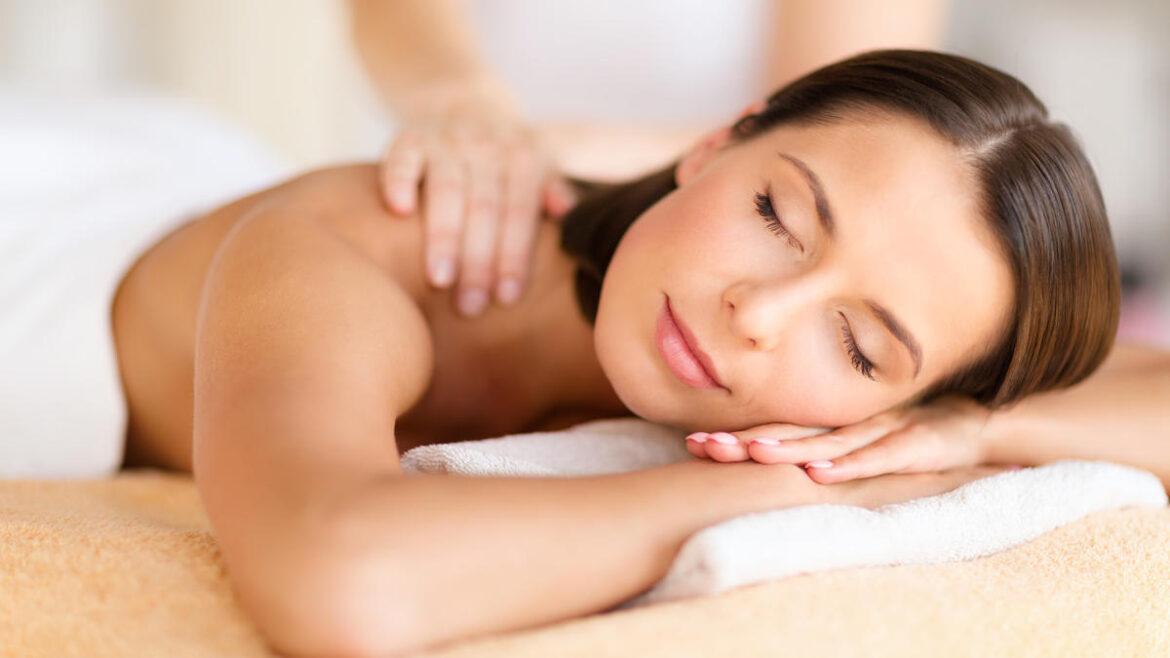
  • Massage therapy
  • Adequate hydration
  • Balanced nutrition after workouts

Recovery is essential for maintaining long term wellness.

Environmental Health and Daily Exposure

Environmental factors influence respiratory health, mental well being, and long term disease risk.

Air Quality and Respiratory Health

Poor air quality can trigger respiratory problems and reduce energy levels. Improving indoor air quality involves:

  • Proper ventilation
  • Air purifiers
  • Limiting household pollutants
  • Avoiding synthetic fragrances
  • Maintaining HVAC systems

Clean air supports lung function and overall vitality.

Water Quality and Hydration

Access to clean drinking water is essential. Proper hydration:

  • Regulates body temperature
  • Supports digestion
  • Improves cognitive function
  • Protects joints
  • Removes waste from the body

Water quality testing ensures safety and prevents contaminants from affecting long term health.

Noise and Light Pollution Impact

Excessive light and noise pollution disrupt sleep cycles and stress levels. Reducing exposure enhances relaxation and improves overall well being.

Healthy Aging and Lifelong Wellness

Healthy aging requires proactive care and continuous learning about personal needs.

Physical Activity Across the Lifespan

Movement needs change with age, yet activity remains necessary at every stage. Activities for different age groups include:

  • Low impact cardio
  • Yoga or stretching
  • Light strength training
  • Balance exercises
  • Recreational sports

Staying active reduces the risk of chronic disease and improves mobility.

Cognitive Preservation as People Age

Maintaining cognitive sharpness involves:

  • Learning new skills
  • Staying socially active
  • Engaging in memory exercises
  • Maintaining healthy blood pressure
  • Eating brain supportive foods

These habits reduce the risk of cognitive decline.

Emotional Health in Later Years

Older adults benefit from:

  • Purpose driven activities
  • Social involvement
  • Creative hobbies
  • Regular movement
  • Emotional support networks

Emotional health remains a central part of overall wellness at any age.

Frequently Asked Questions

How can someone start improving their Health without becoming overwhelmed?

Begin with small, manageable changes such as adding short walks, drinking more water, or improving sleep routines. Gradual improvements often lead to long lasting habits.

What is the most underrated element of Health?

Sleep is often overlooked, yet it influences hormone balance, cognitive performance, immune strength, and emotional stability.

How important is hydration for overall wellness?

Proper hydration affects energy, focus, digestion, and temperature regulation. Even mild dehydration can impact mood and physical performance.

Can mental Health impact physical Health?

Yes. Chronic stress and unresolved emotional issues can trigger physical symptoms, weaken immune function, and increase disease risk.

What foods support long term brain function?

Foods rich in omega 3 fatty acids, antioxidants, and B vitamins support memory, concentration, and cognitive resilience. Examples include salmon, berries, leafy greens, and whole grains.

If you would like a specialized Health article focused on nutrition strategy, mental resilience, exercise science, or healthy aging, I can prepare a more targeted version.
0 comments
0 FacebookTwitterPinterestEmail

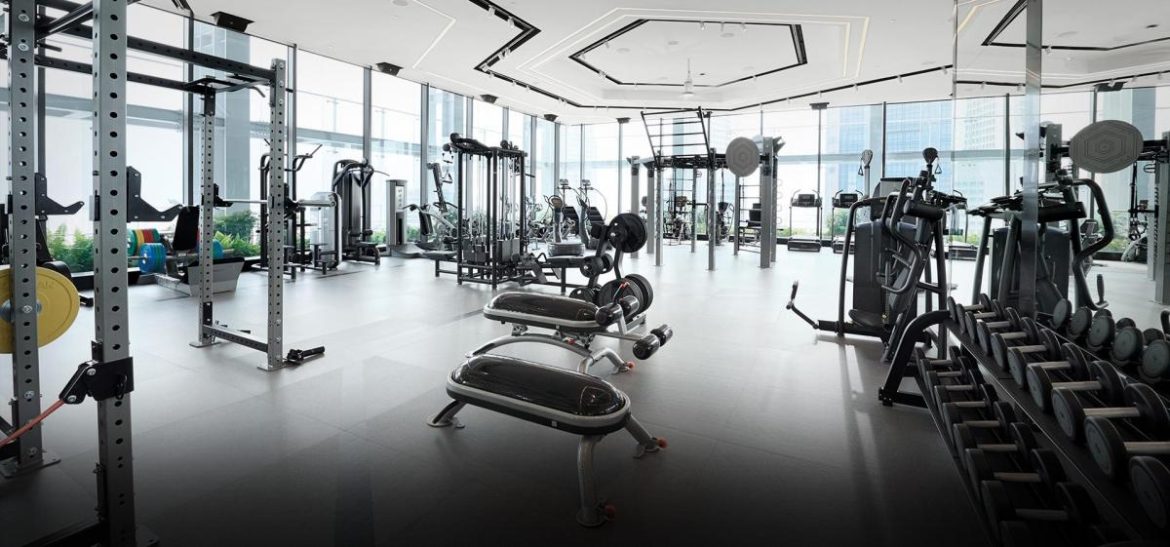
When it comes to staying motivated, the environment matters. In a city where the skyline is just as iconic as the food scene, fitness enthusiasts in Singapore are increasingly seeking out spaces that not only offer top-tier training facilities but also deliver stunning views and immersive ambience. The modern gym Singapore goers are choosing is more than just a place to sweat—it’s a space that inspires, uplifts, and makes you want to show up.

The Rise of Aesthetic Fitness in Singapore

Singapore is known for being clean, efficient, and design-forward. This national character has begun to reflect in its fitness spaces. No longer limited to concrete interiors and fluorescent lighting, many gyms now prioritise architectural aesthetics, natural light, and panoramic views of the city.

It’s not just about luxury. It’s about creating a space where people feel energised to move. Natural surroundings and thoughtful design can drastically improve mood, reduce stress, and make workouts feel less like a chore and more like a reward.

How Atmosphere Impacts Motivation and Mental Health

The gym isn’t just a physical space—it’s a psychological one too. Studies have shown that well-lit, beautifully designed fitness spaces can enhance mood, increase workout satisfaction, and even lead to longer gym sessions. Singapore’s dense urban layout means that a view of the skyline, waterfront, or lush greenery can offer a much-needed visual escape, especially after a day spent behind a desk or screen.

By incorporating large glass panels, rooftop decks, and open-concept training zones, modern gyms are giving members access to more than just equipment—they’re offering an environment that motivates from every angle.

Rooftop and High-Rise Gyms: Sweating with a Skyline

There’s something powerful about doing your final rep while looking out at Marina Bay or the Central Business District’s skyline. Rooftop gyms or high-rise locations provide a surreal workout backdrop, especially during sunrise or golden hour.

The benefits go beyond aesthetics. With better airflow, natural light, and fewer distractions, these spaces often improve workout quality and focus. Plus, it doesn’t hurt when your treadmill run comes with a panoramic view of Singapore’s cityscape.

Fitness Spaces with Nature as the Backdrop

Not everyone wants an urban vibe. Some gyms in Singapore are located within or near park spaces, integrating nature into the workout experience. Think open-air yoga decks, indoor gardens, and training zones that overlook Bukit Timah or East Coast Park.

Being close to greenery not only enhances the beauty of the environment but also boosts serotonin levels and reduces stress. Exercising while surrounded by plants, natural textures, and fresh air makes movement feel restorative instead of repetitive.

Lighting, Colour, and Design: Subtle Details That Change Everything

Design is not just about what you see—it’s about how you feel. Lighting plays a massive role in how energised or relaxed you are during your gym session. Gyms that use warm-toned lights in yoga and stretching areas while keeping bright, white lights in cardio zones subconsciously guide your body and mood.

The choice of colour palettes also matters. Soft neutrals, cool blues, and earthy greens promote calmness and clarity, while bold reds and oranges energise high-intensity spaces. These design choices show that a gym Singapore residents trust isn’t just functional—it’s also emotionally intelligent.

The Instagram Effect: Social Motivation in Beautiful Spaces

It’s no secret that beautifully designed gyms make their way onto social media feeds more often. While some dismiss this as vanity, there’s real value in it. Sharing workouts on platforms like Instagram can serve as accountability, inspire others, and build community.

A scenic gym becomes more than a personal haven—it becomes a social space where people feel proud to be, document progress, and connect with others. The result is stronger consistency and commitment, especially for those who find motivation through external cues.

How TFX Combines Design and Functionality

Gyms like TFX are embracing this fusion of aesthetics and performance. With expansive training zones, thoughtful spatial layouts, and modern design features, TFX understands that environment contributes to results. Their focus isn’t just on what’s inside the gym—but how it feels to be there.

From smart lighting that adjusts throughout the day to zones crafted for different moods and energy levels, they prove that a well-designed gym supports both physical and mental transformation.

A Real Story: From Unmotivated to Inspired

Vivian, a 31-year-old project manager in Singapore, had struggled to stay consistent with her fitness goals. After work, she found it hard to push herself into cramped, poorly lit gyms. That changed when she joined a scenic gym on the 20th floor of an Orchard Road building.

She shares that watching the city wind down as she runs on the treadmill gives her a sense of peace and accomplishment. Her workouts have doubled in length, and she finds herself looking forward to evening sessions. For Vivian, the view isn’t just beautiful—it’s motivating.

Key Design Features to Look for in Scenic Gyms

If you’re searching for an inspiring fitness environment in Singapore, look for the following features:

  • Large windows and natural lighting to reduce fatigue and boost mood
  • Open layouts that avoid crowding and allow free movement
  • Zoned areas for cardio, strength, recovery, and mindfulness
  • Views of nature or the cityscape to visually refresh your mind
  • Clean, minimalist design that reduces clutter and enhances focus

These aren’t luxuries—they’re functional upgrades that improve how you experience your workout and how likely you are to stick with it.

Frequently Asked Questions (FAQ)

Q: Do scenic or design-focused gyms cost more in Singapore?
Ans: Not always. While some premium gyms may charge more for exclusive views or design, many mid-tier options offer scenic elements at competitive rates. The value often lies in improved motivation and consistency.

Q: Does natural lighting really affect workout performance?
Ans: Yes. Exposure to natural light boosts serotonin levels and energy, which can enhance mood and endurance during workouts. It also reduces the need for artificial lighting that can cause fatigue.

Q: Are rooftop gyms safe during rain or haze periods?
Ans: Most rooftop or open-air gyms in Singapore are built with weather adaptability in mind, offering shaded zones, retractable roofs, or indoor alternatives during unfavourable conditions.

Q: Will a nice view really help me stick to my routine?
Ans: For many people, the right atmosphere plays a huge role in habit formation. If a visually pleasing space makes you look forward to training, you’re more likely to stay consistent.

Q: Can I find scenic gyms outside the city centre?
Ans: Yes. Scenic gyms exist across Singapore, from waterfront locations to neighbourhood facilities near parks. It’s worth exploring areas beyond the CBD for hidden gems.

0 comments
0 FacebookTwitterPinterestEmail

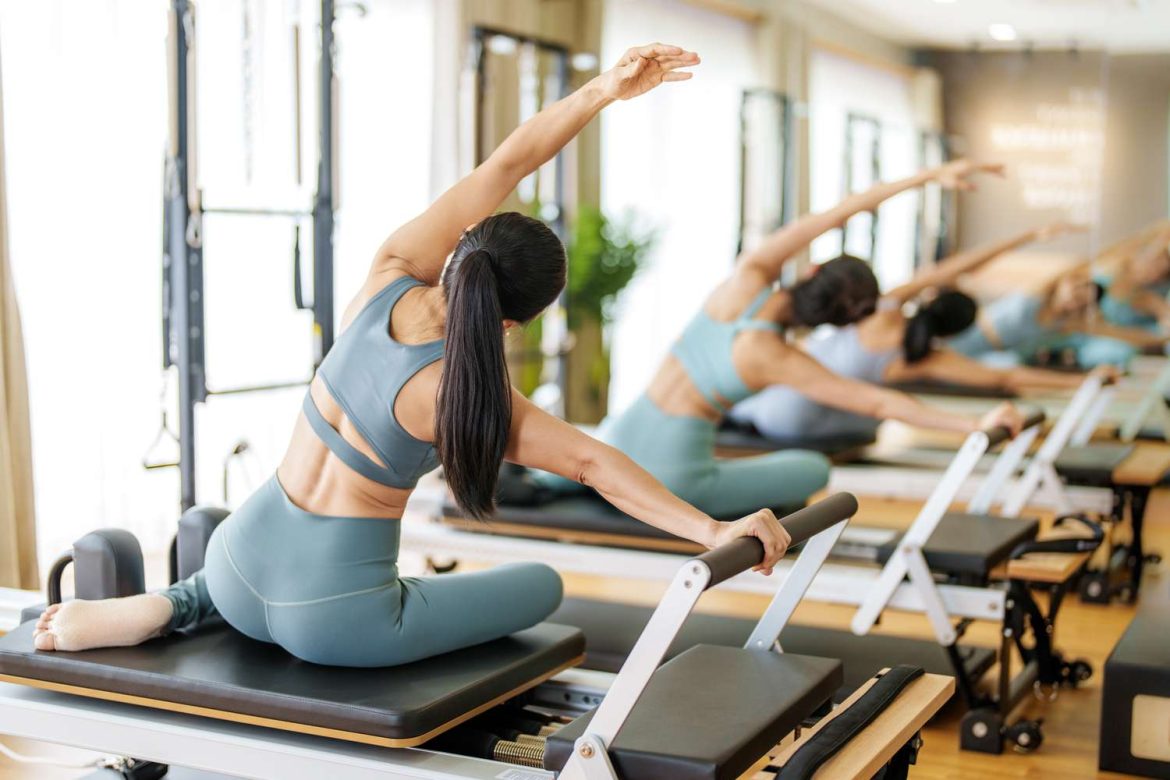
In a city where workdays are long, commutes are crowded, and digital noise never seems to end, finding mental stillness can feel nearly impossible. Stress-related conditions are on the rise, and many Singaporeans are actively seeking ways to maintain their emotional balance. Enter pilates Singapore: more than just a physical workout, Pilates offers a gateway to clarity, resilience, and emotional regulation through movement and breath.

Often misunderstood as simply an exercise to tone the abs, Pilates is increasingly appreciated in Singapore not only for its physical benefits but for the mental reset it provides. Its mind-body connection allows busy individuals to unwind, stay present, and reconnect with themselves—without needing a yoga mat or a therapist’s couch.

What Makes Pilates So Effective for Mental Wellness?

Unlike high-intensity workouts that may leave you feeling drained, Pilates is designed to centre you. It slows down the pace of your day and creates space for mental clarity. Every movement in Pilates is intentional, and the focus it requires naturally pulls your attention away from distractions and into your body.

Key mental benefits include:

  • Stress reduction through controlled breathing and mindful movement
  • Improved focus and concentration due to the mental engagement required
  • Release of physical tension, which is often linked to emotional stress
  • Increased self-awareness, both physical and psychological

In Singapore’s high-pressure society, where burnout is becoming alarmingly common, these benefits can make a meaningful difference in daily life.

Understanding the Mind-Body Connection

The foundation of Pilates lies in its emphasis on breath, control, concentration, and flow—principles that align with the psychological needs of the modern person. Breath work, in particular, plays a pivotal role in calming the nervous system.

Pilates encourages diaphragmatic breathing, also known as lateral or ribcage breathing. This type of breath activates the parasympathetic nervous system—the one responsible for the “rest and digest” state. Over time, this breathing pattern trains your body to stay calm under pressure, both inside and outside the studio.

Why Singaporeans Are Turning to Pilates for Mental Balance

It’s not just about fitness anymore. In recent years, more Singaporeans have turned to Pilates as a mental health tool. Whether it’s a young adult managing the stress of university deadlines or a mid-career professional battling anxiety, Pilates offers a structured and supportive outlet.

What makes it ideal for the local lifestyle?

  • Time-efficient: Sessions typically last 50–60 minutes and are easy to fit into packed schedules
  • Low-impact: Suitable for people of all ages and fitness levels, including those with chronic stress conditions
  • Studio environments: Often quieter and more calming than traditional gyms, creating a sanctuary effect
  • Breath-led movements: Helping participants slow down and re-centre their mind

Many studios—including Yoga Edition—have begun integrating mindfulness elements into their Pilates sessions to enhance this experience even further.

The Science Behind Pilates and Mental Health

Pilates might feel like therapy, but there’s also real science behind it. Studies have shown that consistent Pilates practice can:

  • Lower cortisol levels, the primary stress hormone
  • Improve sleep quality, especially among those with insomnia linked to anxiety
  • Enhance emotional regulation by building body awareness
  • Boost endorphin levels, leading to a more positive mood

Mental health specialists now acknowledge movement as a critical part of therapy, and Pilates fits perfectly within this model. It is non-competitive, encourages presence, and helps individuals feel safe in their own bodies—a key component for those navigating emotional challenges.

How a Typical Pilates Session Supports Emotional Wellness

You don’t need to walk into a Pilates class looking for therapy to walk out feeling better. Even if your primary goal is physical, the emotional benefits tend to follow.

Here’s how a standard class layout contributes to mental wellness:

  • Warm-up with breathwork: Calms the mind and brings awareness to the present
  • Slow, deliberate movement: Encourages focus and detachment from external distractions
  • Core activation: Boosts self-confidence and inner strength, both literally and metaphorically
  • Stretching and flow-based sequences: Eases muscular and emotional tension simultaneously
  • Cooldown and integration: Helps your nervous system absorb the session, leaving you calm but energised

Each class becomes a ritual of self-care, helping you build emotional resilience over time.

Singapore-Specific Mental Health Challenges and Pilates as a Response

In a society where excellence is the expectation, it’s no surprise that stress and anxiety are increasingly prevalent across all age groups. From students to C-suite executives, Singaporeans face:

  • Constant digital overstimulation
  • High academic and work demands
  • A fast-paced urban lifestyle with little downtime
  • Stigma around mental health support

Pilates offers a discreet, effective solution that doesn’t feel like a “treatment.” You simply move, breathe, and feel better—without needing to explain yourself.

Moreover, many Singaporeans find that regular Pilates practice encourages them to adopt other wellness habits, such as mindful eating, journaling, or improved sleep hygiene.

FAQ: How Pilates Supports Mental Health in Singapore

Q: Can Pilates really help with anxiety and stress?
A: Yes. The breath control and mindful movement inherent in Pilates activate the parasympathetic nervous system, helping reduce symptoms of anxiety and chronic stress over time.

Q: I’ve never done Pilates before. Can I still benefit mentally from my first class?
A: Absolutely. Even one class can offer mental clarity, especially if you focus on your breath and let yourself stay present during the movements.

Q: Is it better than meditation for mental wellness?
A: It complements meditation but doesn’t replace it. If you find sitting still difficult, Pilates provides a moving meditation that engages both your body and mind.

Q: I already exercise regularly. Why add Pilates?
A: While cardio and strength workouts may burn stress, they don’t always calm the nervous system. Pilates bridges that gap, helping you slow down, reflect, and restore inner calm.

Q: How often should I do Pilates to feel a change in my mental state?
A: Most Singaporeans report improved mood, sleep, and focus after 2–3 sessions per week over a month. Consistency is key.

In a time where mental well-being is just as crucial as physical health, pilates Singapore presents a powerful path to both. Whether you’re navigating high stress, emotional burnout, or simply craving quiet amid chaos, Pilates is more than just a workout—it’s a way to reconnect with yourself.

0 comments
0 FacebookTwitterPinterestEmail

When a child is born with hypospadias, a congenital condition where the opening of the urethra is located on the underside of the penis instead of the tip, parents often find themselves with many questions. The condition is relatively common, affecting about 1 in 200 male births, yet the path to treatment can feel overwhelming. Fortunately, hypospadias repair is a highly successful surgical procedure that can restore both function and appearance, improving the quality of life for the child.

For many families, one of the most crucial decisions they face is finding the right surgeon. For those seeking the best care, finding the best hypospadias surgeon in the US can be a key factor in achieving the best results. This article explores everything you need to know about hypospadias repair, from what the surgery entails to how to choose the best specialist for your child’s needs.

Understanding Hypospadias and Its Treatment

Hypospadias occurs when the urethra does not form correctly during fetal development. The severity of the condition can vary significantly. In mild cases, the opening may be slightly off-center, while more severe cases may have the opening near the scrotum. Aside from the cosmetic appearance, the condition can interfere with normal urination and, if untreated, can cause complications with sexual function later in life.

The good news is that hypospadias can almost always be repaired through surgery. The timing of the surgery, typically recommended between 6 and 18 months of age, is crucial for achieving the best possible results. Early intervention helps ensure optimal function and appearance as the child grows.

Hypospadias repair involves reconstructing the urethra and repositioning the opening to its correct location. Depending on the severity of the condition, the surgery may also involve correcting any curvature of the penis, known as chordee, that often accompanies hypospadias. The goal of the surgery is not only to create a functional urethral opening but also to ensure the child has a natural, aesthetically pleasing appearance.

Why Choosing the Best Hypospadias Surgeon Matters

Surgical outcomes for hypospadias repair are highly dependent on the skill and experience of the surgeon. The best hypospadias surgeon in the US will have a wealth of experience specifically in this field, having performed numerous procedures with high success rates. This specialized expertise is essential because hypospadias repair is a delicate surgery that requires precise knowledge of the anatomy and an understanding of the challenges that may arise during the procedure.

The right surgeon will not only have the technical expertise but will also understand the nuances of each individual case. Hypospadias can range from mild to severe, and the surgical approach must be tailored to the specific needs of the patient. A highly skilled surgeon will work with the child’s unique anatomy to ensure the best possible outcome, taking into consideration both function and cosmetic results.

In addition to surgical skill, the best hypospadias surgeon in the US will also prioritize creating a comprehensive care plan that includes pre-operative counseling, post-operative care, and long-term follow-up. These aspects of care are often overlooked, but they are just as important for ensuring that the child recovers well and is supported throughout the healing process.

What to Expect During Hypospadias Repair Surgery

Hypospadias repair is generally performed under general anesthesia, meaning the child will be asleep and pain-free during the procedure. The surgeon will make a small incision on the underside of the penis to access the urethra and correct its position. In more severe cases, additional surgery may be required to correct any curvature and reconstruct the penis.

The procedure typically lasts between one and two hours, depending on the complexity of the repair. In many cases, the child may need to stay in the hospital for one or two days for observation and recovery, although some children may be able to go home the same day.

While the surgery is highly successful, it does come with risks, as is the case with any surgery. Possible complications include infection, bleeding, or issues with wound healing. However, with the right surgeon, these risks can be minimized, and most children recover without any long-term issues.

Recovery and Post-Operative Care

After surgery, the child will need time to heal. The recovery period for hypospadias repair typically lasts a few weeks. During this time, parents will need to follow specific instructions to ensure proper healing, which may include limiting physical activity, administering pain medication as needed, and caring for any surgical wounds.

Follow-up appointments are essential to monitor the child’s recovery and to assess the outcome of the surgery. In some cases, further surgery may be needed to achieve the desired result, particularly if there are any issues with the appearance or function of the urethra.

Parents should also be prepared for the emotional aspects of recovery. While the child is healing physically, there may be concerns about the long-term effects of the condition. Having the support of a hypospadias specialist can help ease these worries, as they will provide reassurance, address any concerns, and offer advice on how to best support the child as they grow.

Choosing the Right Hypospadias Surgeon

Finding the best hypospadias surgeon in the US involves more than just searching for a highly qualified professional. Parents should look for a surgeon who specializes in pediatric urology and has a proven track record with hypospadias repair. A surgeon with experience in performing complex repairs, including the most severe cases, will be able to offer the best possible care.

It is also important to ensure that the surgeon is familiar with the latest surgical techniques and technologies. Advances in minimally invasive surgery and tissue engineering have made hypospadias repair more effective and less traumatic for children. Choosing a surgeon who is up to date on these advancements can make a big difference in the overall outcome of the surgery.

In addition to qualifications and experience, it’s essential to find a surgeon who is compassionate and communicative. Parents should feel comfortable asking questions and discussing their concerns. A surgeon who listens carefully and explains the procedure clearly can help alleviate anxiety and build trust throughout the treatment process.

Conclusion

Hypospadias repair is a life-changing procedure for children born with this condition, and the outcome largely depends on the expertise of the surgeon. Finding the best hypospadias surgeon in the US can help ensure that the child receives the highest quality care and achieves the best possible results. By choosing a specialist with experience, skill, and a compassionate approach, parents can rest assured that their child’s future will be bright and full of promise.

0 comments
0 FacebookTwitterPinterestEmail

In a world inundated with wellness trends, quick fixes, and conflicting advice, finding a personal health routine that actually suits your body, lifestyle, and long-term goals can feel like an uphill battle. Yet, the essence of lasting well-being lies not in mimicking others but in designing a routine that aligns authentically with you. A successful health regimen is both sustainable and adaptable—a delicate blend of structure and flexibility that supports your physical, mental, and emotional well-being.

This article will guide you through a thoughtful and refined approach to crafting a personal health routine that works—not just for a few weeks, but for life.

Start with Reflection, Not Reaction

Before jumping into action, pause to reflect on your current habits, goals, and pain points. This step helps you tailor your routine rather than copy someone else’s.

Ask yourself:

  • What areas of my health need attention right now? (e.g., sleep, stress, movement, nutrition)

  • When do I feel my best during the day?

  • What’s prevented me from sticking to routines in the past?

Honest self-assessment is the foundation of personalization. Recognizing patterns—both positive and negative—will enable you to design a health plan that feels intuitive rather than forced.

Define Your Version of “Healthy”

Health is not a one-size-fits-all concept. It extends beyond physical fitness to include mental clarity, emotional balance, and social well-being.

Consider your priorities:

  • Are you aiming to boost energy, improve digestion, or enhance mental focus?

  • Is emotional resilience or stress management a current need?

  • Do you want to develop strength or support longevity?

Your goals will determine the tone and structure of your routine, so be clear and realistic about what “healthy” means for you.

The Pillars of a Functional Health Routine

A truly effective routine incorporates core pillars that work synergistically to support holistic health. Here are the key elements:

1. Movement That Feels Good

Instead of adhering to rigid workout schedules, focus on cultivating a movement practice that you enjoy and can maintain.

Options to explore:

  • Morning yoga or stretching to energize your day

  • Brisk walking or cycling for cardiovascular health

  • Strength training twice a week to maintain muscle mass

  • Dance, pilates, or swimming for variety and joy

The best form of exercise is the one you’ll actually do consistently. Blend intensity with recovery, and don’t underestimate the power of everyday movement.

2. Nourishment Over Restriction

Rather than following trendy diets, adopt a nourishing approach that centers around balance and enjoyment.

Nutritional tips:

  • Prioritize whole foods: vegetables, fruits, legumes, lean proteins, whole grains, and healthy fats

  • Stay hydrated—often overlooked, yet critical for every body system

  • Listen to your hunger cues instead of eating by the clock

  • Cook at home more often to connect with your meals and ingredients

Eating well is not about deprivation—it’s about making choices that fuel your life and honor your body.

3. Rest and Recovery

No health routine is complete without quality sleep and mindful downtime. Recovery is essential for the body and brain to regenerate and perform optimally.

Restorative practices:

  • Aim for 7–9 hours of sleep each night, establishing a regular bedtime

  • Create a sleep ritual—dim lighting, screen limits, or herbal tea

  • Schedule time for stillness or relaxation (meditation, nature walks, journaling)

  • Take mental breaks throughout the day to reduce stress load

Burnout is not a badge of honor; recovery is the secret weapon of longevity.

4. Mental and Emotional Well-being

Mental fitness deserves as much attention as physical health. A resilient mindset enables consistency and adaptability.

Support your inner world with:

  • Daily mindfulness or gratitude practice

  • Therapy or coaching, when needed

  • Meaningful connections and social interaction

  • Creative outlets that allow emotional expression

A strong mind supports a strong body—and vice versa.

Design Your Routine Like a Ritual

Structure creates freedom. Once you’ve identified your priorities, translate them into a daily or weekly rhythm. The key is not perfection but intentionality.

Sample routine outline:

  • Morning: Light movement, hydration, five minutes of journaling

  • Afternoon: Nutritious lunch, short walk, mindful break

  • Evening: Gentle stretching, screen-free wind-down, reflective writing

Use digital calendars, habit-tracking apps, or even a simple journal to stay on track. Begin with a few key habits, then layer in more as they become second nature.

Stay Flexible, Stay Curious

Your routine should evolve as you do. Life seasons change, and your body’s needs will shift—what works in your twenties may not in your forties. Rather than viewing adjustments as failures, see them as acts of respect for your changing self.

Tips for long-term sustainability:

  • Reassess monthly or quarterly: What’s working? What’s not?

  • Give yourself grace during off-weeks—consistency is built over time

  • Celebrate wins, no matter how small

  • Keep learning: read, experiment, reflect

The most effective routines are the ones we grow with, not grow out of.

Final Thoughts

Creating a personal health routine that works is an act of self-respect, not self-punishment. It’s about tuning in—not zoning out—to what your body and mind need most. Through gentle consistency, thoughtful design, and the courage to personalize, you can build a rhythm that supports not only your health but your entire quality of life.

In the end, your routine should be more than just a checklist. It should be a conversation between you and your best self—one that deepens over time, and ultimately, leads you home to well-being.

For more information, follow below useful resources-

  • Whether you’re exploring holistic healing or modern wellness trends, 6 Sigma Healthcare offers well-researched articles to guide your health journey. From disease prevention to mental wellness, the blog covers a broad spectrum of topics aimed at improving everyday well-being with clinical clarity and actionable advice.
  • Looking for simple steps to a healthier lifestyle? Be Health LLC shares easy-to-follow tips on fitness, nutrition, and daily wellness routines. Whether you’re battling stress or trying to boost immunity, this blog delivers practical solutions for staying in control of your health.
  • Your path to better living starts with knowledge — and Good Health Click delivers it. The blog covers trending topics in diet, exercise, self-care, and preventive health with content that’s accessible, inspiring, and grounded in real-world impact.
  • For smart updates in modern healthcare, Healthcare Oxy shares insights on patient care, clinical breakthroughs, and lifestyle transformation. It’s a go-to source for readers interested in the intersection of wellness and science.
  • Reclaiming your health doesn’t have to be complicated. Healthe mee delivers clear, motivating content on mental wellness, healthy habits, sleep hygiene, and more — designed to help readers rebuild balance in fast-paced, tech-heavy lives.
  • Health is more than fitness — it’s a lifestyle. Health Fit Evo dives into workouts, routines, recovery, and sustainable wellness practices that help individuals feel stronger, live longer, and stay energised across all age groups.
  • Whether you’re focused on disease prevention or daily vitality, Health ful ltd brings clarity to wellness. Explore its diverse content on nutrition, supplements, immunity, and stress management for better control over your physical and mental health.
  • Built for curious minds and wellness seekers alike, Healthiest Lyf covers topics like gut health, metabolism, and clean living. The blog helps readers build a strong foundation for long-term vitality and resilience.
  • If you want practical health advice backed by credible sources, Health Infos Blog is worth bookmarking. It’s an educational platform that offers expert guidance on conditions, symptoms, treatments, and everyday healthy choices.
  • Managing your lifestyle is easier with daily wellness content from Health LLJ. The blog discusses a variety of topics like sleep, nutrition, workout consistency, and positive mindset to help individuals optimise their energy and focus.
  • True wellness begins with awareness — and Healthy My Lyf offers it in abundance. This blog shares empowering resources for self-improvement, fitness, and inner peace to guide readers toward more fulfilling, conscious living.
  • Your health journey deserves reliable guidance, and 1 Rising Health delivers just that. With a mix of expert commentary, personal health stories, and step-by-step wellness guides, it’s a powerful companion for anyone working to feel better, live longer, and thrive naturally.
  • From modern treatments to preventive strategies, Alza Healthcare provides a blend of clinical news, fitness routines, and healthy habits. It’s a smart choice for readers looking to understand and own their health decisions.
  • If you’re curious about digital health, tech in medicine, or modern wellness hacks, Entras Health is a blog to follow. It brings together innovation and practicality to help readers live smarter, healthier lives.
  • Dedicated to improving community health awareness, Gnee Health features clear, educational content around nutrition, illness prevention, and lifestyle enhancement. It’s written for everyday readers who want real results without medical jargon.
  • Your health isn’t just about how you look — it’s how you live. Health 1 Proz publishes rich content on mental fitness, cardiovascular health, exercise plans, and more, keeping readers informed, energised, and inspired.
  • Make better wellness decisions every day with insights from Health Coch. This blog blends personal care, fitness education, and emotional well-being topics to guide you through modern living with healthier habits and smarter routines.
  • Well-being isn’t a trend — it’s a daily investment. Health Living In helps you build lasting wellness through habit-building, movement, clean eating, and mental resilience. It’s a thoughtful resource for readers ready to make long-term changes.
  • Transform the way you think about health with inspiring reads from Health Stalkers. It focuses on self-care, body positivity, immune health, and natural living — delivered in a relatable and motivational tone.
  • From busy professionals to stay-at-home parents, Healthty Noww offers quick tips, balanced meal plans, and stress-free wellness routines. It’s the perfect blog for anyone who wants to stay healthy without overcomplicating life.
  • Wellness doesn’t have to be one-size-fits-all. Health Wel Zone provides health insights tailored to every lifestyle,  from mindful eating to mobility and ageing gracefully, this blog champions inclusive health education for all.
  • Fitness meets science at Health X Lines, a blog packed with workout routines, injury prevention tips, and nutritional guidance. Whether you’re a gym-goer or just getting started, it offers value for every fitness level.
  • Young adults and teens need relatable health advice — and Healthy Youthh delivers it. With content on body image, emotional balance, school stress, and digital health habits, this blog speaks to youth wellness in a refreshing way.
  • Don’t just read about health — act on it. Healthy RKS helps readers form consistent, healthy routines with nutrition guides, workout challenges, and behaviour-based wellness tips that actually stick.
  • From managing chronic conditions to staying fit during pregnancy, Healthy Rx Care delivers inclusive wellness advice for all ages. The blog is written by experienced contributors who understand the real-life struggles people face on their health journeys.
  • There’s no one-size-fits-all when it comes to feeling your best. The Healthy Wee embraces personal wellness with content that inspires balance — whether that’s through healthy eating, sleep optimisation, or mindful productivity.
  • Your go-to for bite-sized yet valuable health insights, Tips Bout Health offers daily reminders and curated tips on physical fitness, diet optimisation, and mental resilience — ideal for anyone seeking fast improvements with lasting results.
  • Unical Health is your modern-day wellness guide, offering a fusion of natural remedies, scientific insights, and preventive care strategies. It’s a trusted source for balanced health education that empowers self-care and smart decisions.
  • When it comes to informed living, Valuez Healthcare delivers top-notch guidance. With topics ranging from healthcare affordability to healthy cooking and stress relief, it helps readers live well on every level — body, mind, and wallet.
  • Health is evolving — and WW Health Online keeps you up to date. Covering nutrition trends, global wellness movements, and lifestyle medicine, this blog is ideal for readers who want a worldwide view of modern health topics.


0 comments
0 FacebookTwitterPinterestEmail

Many people need help deciding whether to stay in a hotel with or without SPA amenities. This can lead to some misunderstandings and differences in expectations and reality.

SPA hotels are health resorts where tourists undergo various healing, prophylactic, and rehabilitation procedures. These procedures are carried out in medical rooms equipped with a doctor.

Spa Facilities

A spa is where people can get a variety of health treatments, often using mineral-rich water. This tradition dates back to prehistoric times and has become quite popular in Europe and Japan.

Some hotels have spas on site, while others partner with a nearby spa. These facilities may have different amenities than a hotel’s pool or gym but can offer various services to help guests relax and rejuvenate.

One of the world’s most luxurious spa hotels is Ananda, in India’s Himalayan region of Rishikesh. This wellness resort combines traditional architecture with nature and the expertise of international health experts.

Another hotel with a spa is Cowley Manor in Gloucestershire, UK. This secluded, Victorian-style spa offers a full range of massages and facials. Visitors can purchase a spa package that grants them access to “experience showers,” an amethyst crystal steam room, and a vitality pool despite the expensive treatments. If you want to experience the luxury while maximizing your resources make sure to check websites like Expedia to help you save money on your travel plans.

Massages

The best SPAs will offer a range of massages designed to relax your muscles, energize you and tone your body. They will also provide treatments to help you lose weight or eliminate cellulite.

The massages available at a hotel with SPA amenities are a great way to unwind and rejuvenate while on vacation. They can be a little pricey, but they are worth it for the feeling of renewal that they will provide.

You should arrive at the spa at least 15 minutes before your appointment to allow time for you to get changed and robed. The therapists will give you a run-through of what to expect before the treatment, so be sure to listen carefully.

Before you begin a massage, tell the therapist if anything is uncomfortable. This is especially important if you haven’t had a massage before and are still determining how it will feel.

During your treatment, you should be completely relaxed and comfortable. It is common for a new client to be nervous or anxious about the experience.

If you have any questions while receiving treatment at a hotel with SPA amenities, the therapists will be more than happy to address them. They will also be able to point you in the right direction for other services that can help you relax and rejuvenate while on your vacation.

Hot tubs

Whether you want to get a massage, relax or soak in some hot water, many hotels offer a Jacuzzi or whirlpool spa tub. These are typically available in deluxe and superior suites.

A hot tub is a large bathtub with powered jets installed inside that create the whirlpool effect. They are usually made from acrylic and have molded seating and multiple jets to soothe and massage several people.

Spas and standalone features also have their own plumbing and electrical control systems. These can be portable or in-ground.

While hot tubs, Jacuzzis and spas have the same benefits, they are different in their uses. While spas provide health treatments, Jacuzzis are a type of hydrotherapy, and hot tubs are a more affordable and energy-efficient option.

Before making a reservation, find out the hotel’s hot tub policies. Some hotels require you to sign a contract that states that you will not share the tub with anyone else.

Remember that hotel hot tubs are not dangerous, and it is doubtful to contract an illness from tub-related bacteria. But like all non-natural reactional water pools, they do have the potential to spread bacteria.

Saunas

A sauna is a room where people can take a hot air steam bath to cleanse their bodies and relax. It releases toxins, cleans the body, and stimulates the skin.

Saunas are popular in many countries around the world. They are typically a part of public swimming pools and spas and can be found in some hotels.

Some saunas have a wooden interior and are heated using wood stoves, typically equipped with a thermostat and timer. Others use infrared heating, which lowers the heat of the air and focuses on the person’s skin.

Another type of modern sauna is a sauna with an electric stove, which uses a heating element to heat the stones. The heat is then maintained by advection (warm air passing over the stones) or evaporation (hot water poured on the rocks).

In the United States, saunas are more prevalent in the Great Lakes region, including Wisconsin and Minnesota. They are also common in other parts of the country that have Swedish or Finnish-American populations.

The sauna has a long tradition in Finland, but it became more popular in the late 1990s. Most saunas are segregated, and men and women are not always allowed to go together.

After a sauna session, it is necessary to cool down in the fresh air and take a cold shower. This helps the body to regulate its own temperature and avoid overheating.

0 comments
0 FacebookTwitterPinterestEmail

Did you know that vaping can help you lead a healthier lifestyle? That’s right — by making the switch to vaping, you can say goodbye to cigarettes and all the harmful chemicals they contain.

What Is Vaping and How Does it Work?

Vaping is the act of inhaling and exhaling the aerosable vapour produced by an electronic cigarette or similar device. The device heats a liquid that may or may not contain nicotine to produce the vapour, which is then inhaled by the user.

Vaping is often promoted as a healthier alternative to smoking cigarettes, as it does not involve the combustion of tobacco.

The Benefits of Vaping Over Smoking

There is no doubt that smoking is harmful to one’s health. In fact, it is the leading cause of preventable death. Cigarette smoke contains over 7,000 chemicals, including arsenic, lead, and formaldehyde. These chemicals have been linked to cancer, heart disease, and other serious health conditions.

In contrast, vaping is a much safer alternative to smoking. E-cigarettes do not produce any tar or carbon monoxide, and they contain far fewer toxins than traditional cigarettes. In addition, vaping can be less expensive than smoking, and it doesn’t leave behind an unpleasant smell.

How to Start Vaping

If you’re interested in trying vaping, there are a few things that you’ll need to get started. First, you’ll need to purchase a vaping device. There are a variety of devices on the market, so do some research to find one that’s right for you.

You’ll also need to purchase e-liquid. E-liquids come in a variety of flavours and nicotine levels, so again, do your research to find ones that you’ll enjoy. Once you have your device and e-liquid, you’re ready to start vaping!

Simply fill your device with e-liquid, turn it on, and inhale from the mouthpiece.

Choosing the Right Liquid for You

With so many different flavour profiles and nicotine strengths available, choosing the right vape liquid can seem daunting at first.

Whether you’re looking for something fruity, creamy, or minty, there’s sure to be a juice that fits your taste.

Next, you’ll need to choose a nicotine strength that meets your needs. If you’re a heavy smoker, you’ll want to opt for a higher nicotine level, while those who are trying to quit smoking may want to start with a lower level and gradually work their way up.

Finally, you’ll also need to consider the PG/VG ratio of the liquid. This refers to the proportion of propylene glycol and vegetable glycerine in the juice, and it can affect both the flavour and vapour production.

Conclusion

Although vaping is not without its own set of risks, it is still a healthier alternative to smoking. If you are looking for a way to quit smoking or just want to enjoy a healthier lifestyle, vaping may be the right choice for you.

0 comments
0 FacebookTwitterPinterestEmail

It’s simpler to define mental illness than mental health. Despite the fact that we do not always suffer any apparent diagnosable mental ailments it’s apparent that regarding mental health a guy is different from another. Some people are psychologically healthier than these.

Mental health may be the mixture of genetic, biological, mental and ecological factors. It’s the lack of mental disorder. It offers a person’s capability to enjoy existence and achieve an account balance between activities of existence and energy to offer the ability to face stresses and adversities in an exceedingly calm and composed manner. It’s also a manifestation of feelings that signifies a effective adaptation to a variety of demands. A psychologically healthy person could work productively and effectively for that community he resides in.

There’s no globally recognized official meaning of mental health. Cultural variations, subjective assessments, prevalent customs and conventions, condition of society, political, and social aspects by which he resides in are the figuring out factors in deciding the problem of sanity of a person’s mind setup.That an individual is psychologically healthy could be determined from certain characteristics.

First, the opportunity to enjoy existence without having to worry for future years or taking into consideration the past may be the sure manifestation of healthiness of mind. The key of existence would be to begin to see the passing of present time. Sometimes people make themselves miserable by providing constant focus on what can not be cured or concerning the unpredictable. This really is uncongenial to health of mind.

Next, the opportunity to handle stress or trauma and recover from adversity signifies mental sanity This sign of resilience is shared by individuals who are able to handle the situations of stress effortlessly.

Thirdly, greater mental health is caused by balance in existence. Within our existence we constantly have to balance quantity of things. For example, i will be treated as ‘loners ‘if we can not make balance between time spent socially and time spent alone.Similarly we have to balance between several factor like play and work. Sleep and wakefulness, rest and movement, time spent inside and time spent outdoors.

Fourthly, emotional and cognitive versatility may be the manifestation of mental power. Many people hold very rigid opinions with no quantity of discussion can alter them. These folks are afflicted by stress for his or her rigid expectations they hold. Psychologically healthy persons open the emotions and feelings rather of shutting them off at nighttime chamber of mind.

Sixthly, everyone has natural gifts or even the inner abilities. Some use their potentials yet others appear to possess destroyed them. Psychologically seem persons are along the way actualizing their potentials.

Seventh, concentrating on worries topics and discussing all of them with others may be the manifestation of mental health. Deconstruction of individuals worries which plague you constantly results in a healthy body of mind.

These are merely a couple of from the concepts which are vital that you achieve mental health. The truth is to achieve complete healthiness of mind you ought to be free, flexible, unbiased, positive, energetic and most importantly positive.

0 comments
0 FacebookTwitterPinterestEmail

Getting great oral health is an integral part of existence. Oral health not just affects the mouth area but recent reports have proven that’s may also affect your own personal health. You should have great oral health. If you do not understand how to achieve great oral health listed here are 5 tips to help you.

The very first important tip for excellent oral health would be to brush the teeth. Brushing the teeth 2 to 3 occasions each day can help you moving toward great oral health. You need to make certain that when you’re choosing the toothbrush your choice your fingers having a small mind. Selecting a toothbrush having a small mind with assist you to so that you can get the toothbrush within the very back of the mouth making it simpler to achieve all individuals difficult to achieve places. Also to help make sure you get great oral health you will need to pick tooth paste which has the ADA stamp of approval. ADA means Ada. Getting ADA tooth paste helps to help you get a measure nearer to great oral health since the ADA has certain standard that has to be met for the utmost safety.

The 2nd important tip for excellent oral health would be to floss daily. Flossing every single day helps enable you to get great oral health by ensuring you’ve become just as much debris, plaque and then any other bacteria that could be lingering around either in your teeth, among the teeth or in your gums. Also, flossing aids in preventing gum illnesses. Stopping gums and teeth is essential in assisting get great oral health. In recent research that’s been done gum illnesses can result in more severe health issues. When selecting floss you need to make certain to choose floss that works with your gums and teeth. For example, for those who have teeth which are very close together you’ll most likely would like to get floss which has a waxed coating. Waxed coating can help the floss glide using your teeth with less difficulty. Getting the proper of floss is essential for excellent oral health.

The 3rd important tip for excellent oral health would be to wash it out the mouth area with either water or mouthwash after meals whenever you can’t brush. Swishing or gargling water or mouthwash after meals can help eliminate debris along with other bacteria’s that could be left out out of your meals. You need to help eliminate just as much debris and bacteria’s as possible for oral health because it can help reduce the plaque inside your mouth. Debris and bacteria cause an acidity to create in your teeth that triggers plaque and eats away at enamel. If plaque isn’t took it off can look to tartar. Once plaque has switched to tartar merely a dental professional could possibly get them back. Therefore the less plaque you’ve in your teeth the greater.

The 4th important tip for excellent oral health is by using mouthwash which contains fluoride. Utilizing a fluoride mouthwash can help strengthen the enamel in your teeth. Strengthening the enamel in your teeth is ideal for dental hygiene since the harder the enamel is in your teeth the tougher it’s for plaque to stay as well as for acidity to consume in internet marketing.

The 5th important tip for excellent oral health is to visit your dental professional regularly. Usually dentists as if you in the future in each and every 6 several weeks for any cleaning. Visiting the dental professional every six several weeks is essential for excellent oral health simply because they will perform a detailed check-up of the teeth. The dental professional may also clean off any tartar develop which has happened. The only method to get tartar from the teeth would be to have your dental professional remove it. Your dental professional will perform a procedure known as scaling that can take all the tartar from the teeth. Getting all the tartar from the teeth is essential for excellent oral health because tartar may cause gums and teeth.

0 comments
0 FacebookTwitterPinterestEmail
Newer Posts