
Monthly Archives

July 2025

Changing Mindset of Entrepreneurs

The global pandemic changed how people think about work and business. Many young professionals, freelancers, and aspiring business owners began to look at entrepreneurship in a new light. As offices shut down and remote work took over, people realized they could start their own businesses with more flexibility and lower costs. This shift in mindset has played a big role in how company setup models have evolved since the pandemic.

Rise of Flexible Company Setup Options

Today, setting up a company is no longer about renting a big office or hiring a large team right away. The modern approach is more about starting lean, testing ideas, and growing at your own pace. Business parks, free zones, and digital platforms now offer flexible company setup packages that allow entrepreneurs to launch with minimal investment. This appeals strongly to the 18 to 40 age group in the UAE who are tech-savvy and looking for smart, low-risk ways to build their brand.

Remote-Ready and Digital First

The post-pandemic world has embraced digital tools like never before. Many company setup processes that once required paperwork and in-person meetings are now handled online. From applying for trade licenses to opening bank accounts, almost every step of setting up a company can be completed digitally. This saves time and gives young entrepreneurs the freedom to manage their setup from anywhere.

Shift Toward Service-Based and Online Businesses

More people are now launching service-based or online-first businesses. Whether it’s e-commerce, digital marketing, consulting, or online coaching, the demand for virtual services has skyrocketed. As a result, company setup models now cater more to businesses that don’t need a physical store or office. Free zones and business hubs offer virtual licenses or coworking space packages that perfectly match the needs of online businesses.

Cost-Efficient Packages for Startups

Entrepreneurs in today’s market want value for money. New company setup models now include affordable startup bundles that cover everything from licensing and visas to shared office access. These all-in-one packages make it easier for first-time founders to take the leap without financial stress. Some zones even provide step-by-step guidance during the setup process, making it beginner-friendly for anyone starting from scratch.

Supportive Ecosystems for Growth

Another important evolution is the growth of startup ecosystems within business hubs and free zones. Entrepreneurs not only get a place to register their business but also gain access to a community of like-minded people, business advisors, and networking opportunities. This support makes the company setup journey feel less lonely and helps new business owners find partners, clients, and collaborators more quickly.

Customizable Business Models

Today’s business setup options are highly customizable. Whether you want to be a freelancer, start a one-person company, or launch a small team, you can find a setup model that suits your needs. Many zones let you scale up or down easily, offering a level of flexibility that was rare before the pandemic. This is perfect for young entrepreneurs who want to explore and grow without being tied to long-term commitments.

More Focus on Innovation and Niche Markets

The post-pandemic world has also encouraged people to explore niche ideas and innovate. Company setup models now support a wider variety of industries, including tech, sustainability, media, and health. Special zones and incubators help startups that are solving unique problems or offering new solutions. This has opened the door for creative thinkers to turn passion projects into full-time businesses.

Conclusion: A New Era of Business Building

The world of company setup has evolved to be faster, simpler, and more in tune with the needs of modern entrepreneurs. Whether you’re a solo creator or a startup team with big dreams, the new models make it easy to start smart and grow with confidence. With flexible licensing, digital tools, and supportive communities, this is the perfect time to explore business opportunities in the UAE. If you’re ready to launch your own venture, today’s setup options offer everything you need to succeed.

0 comments
0 FacebookTwitterPinterestEmail

Understanding Fashion as a Global Force

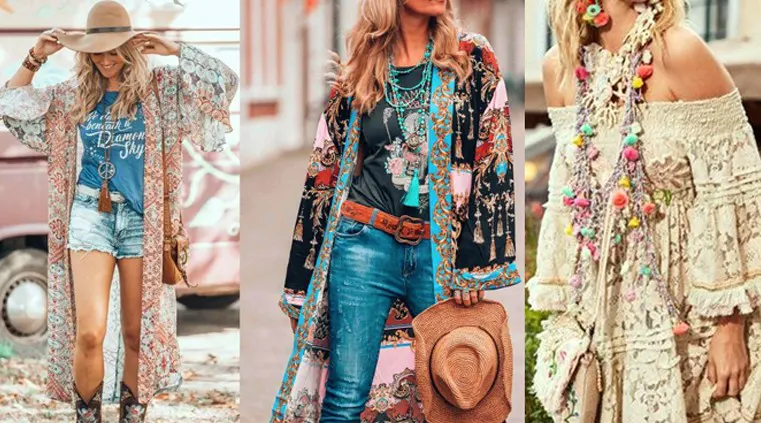
Fashion has evolved into a powerful form of expression, economic influence, and cultural identity. In the United States, Fashion is woven into everyday life, shaping how people communicate personality, status, values, and creativity. During the early stages of the modern industry, clothing served mostly functional purposes, yet today Fashion represents a complex and interconnected system that influences marketing, technology, material innovation, sustainability, and even social behavior. The impact of Fashion continues to expand as consumers seek authenticity, responsible production, and personal expression within their wardrobes.

Within the first few decades of the 21st century, Fashion shifted from seasonal design cycles to rapid, real time trends influenced by digital culture. Social platforms, global events, and cultural movements guide how styles emerge and evolve. At the same time, Fashion has become more personalized than ever. People use clothing to define their identity, challenge societal norms, and communicate individuality within a broad and diverse culture. These shifts illustrate how Fashion functions beyond clothing, shaping economic systems and social interactions alike.

The Foundations of Fashion Design

Fashion design encompasses creativity, craftsmanship, and cultural interpretation. Designers translate concepts into collections that reflect societal moods, technological changes, and artistic visions.

The Creative Process Behind Fashion Collections

Designers follow a detailed creative process that includes:

  • Research into historical styles and cultural influences
  • Analysis of market trends and consumer behavior
  • Fabric selection and texture study
  • Rough sketches followed by digital design
  • Pattern drafting and sample creation
  • Fittings and refinement before production

Each step requires precision and an understanding of both aesthetics and engineering. A single garment may undergo multiple prototypes before meeting design standards.

The Significance of Fabric Selection

Fabric influences comfort, structure, function, and visual appeal. Designers choose materials based on:

  • Texture and drape
  • Durability
  • Breathability
  • Fiber origin and environmental impact
  • Compatibility with dyeing and printing methods

Natural fibers like cotton, wool, and silk offer timeless qualities, while synthetic fibers support versatility and performance. Blended fabrics often combine the strengths of multiple fibers.

Role of Craftsmanship in Modern Fashion

While technology plays a significant role in production, skilled craftsmanship remains essential. Hand stitching, embroidery, beadwork, and tailoring techniques create garments that reflect quality and longevity. Craftsmanship supports:

  • Precise fit
  • Strong structural integrity
  • Artistic finishing details
  • Better wearability over time

Consumers increasingly value craftsmanship as they seek durable pieces rather than disposable clothing.

The Economic Impact of Fashion

Fashion is one of the most influential industries in the world. It affects employment, trade, retail innovation, and digital commerce.

Job Creation Across Multiple Sectors

Fashion supports millions of jobs across:

  • Design studios
  • Textile mills
  • Manufacturing facilities
  • Retail businesses
  • Fashion marketing agencies
  • Logistics and supply chain operations

These sectors rely on both creative talent and technical expertise, creating opportunities for a wide range of skill sets.

Retail Evolution and Consumer Behavior

Retail has transformed significantly as consumers shift toward digital purchasing. Modern retail strategies include:

  • Web based boutiques
  • Personalized shopping algorithms
  • Virtual try on technology
  • Subscription boxes
  • Social commerce driven by influencers

These strategies reflect a consumer base that values convenience, speed, and personalized recommendations.

Importance of Fashion Education and Research

Advanced fashion programs prepare students for specialized roles in design, textiles, merchandising, and product development. Research institutions contribute by studying:

  • Material innovation
  • Ethical sourcing
  • Consumer psychology
  • Trend forecasting
  • Apparel engineering

This research supports industry growth and strengthens long term sustainability.

Sustainable Fashion and Ethical Production

Growing awareness of environmental concerns has significantly influenced how Fashion is designed, manufactured, and consumed.

Sustainable Fabric Alternatives

Innovative materials reduce ecological impact. These fabrics include:

  • Organic cotton grown without harmful chemicals
  • Bamboo fiber known for its softness and breathability
  • Recycled polyester created from post consumer plastics
  • Linen and hemp which require minimal water
  • Lab grown leather alternatives

These materials help reduce waste while maintaining performance and visual appeal.

Ethical Labor and Fair Production Practices

Ethical production protects workers across all stages of the supply chain. Standards include:

  • Fair wages
  • Safe and clean working environments
  • Reasonable work hours
  • Transparent sourcing agreements
  • Zero tolerance policies for forced labor

Consumers increasingly demand clarity about how their clothing is made, motivating brands to prioritize transparency.

Recycling and Circular Fashion Models

Circular fashion aims to keep materials in use for as long as possible. Strategies include:

  • Clothing repair services
  • Recycling programs for worn textiles
  • Garment take back initiatives
  • Upcycling workshops
  • Rental and resale platforms

These approaches reduce landfill waste and encourage mindful consumption.

Fashion as a Reflection of Culture

Fashion is deeply connected to identity, tradition, and cultural expression. Throughout American history, clothing has served as a mirror of social change.

Fashion as a Form of Identity

People express personality, lifestyle, and beliefs through their wardrobe choices. Fashion communicates:

  • Creative taste
  • Professional identity
  • Cultural background
  • Social affiliations
  • Individual values

From streetwear to tailored suits, clothing offers endless pathways for self expression.

Influence of Music, Art, and Pop Culture

Music and art heavily influence modern Fashion. Styles often emerge from:

  • Hip hop culture
  • Rock genres
  • Contemporary street art
  • Film and television characters
  • Youth movements

These influences ignite trends that spread across regions and demographics.

Cultural Preservation Through Clothing

Traditional clothing preserves cultural heritage. Cultural Fashion keeps:

  • Historical textiles alive
  • Symbolic patterns relevant
  • Traditional crafting techniques practiced
  • Generational stories shared

This preservation connects communities and reinforces cultural identity.

Technology and Innovation in Fashion

Technology has expanded the boundaries of what Fashion can achieve. Digital platforms, smart textiles, and automated production are reshaping the industry.

The Rise of Fashion Technology

Fashion technology integrates design with digital innovation. Examples include:

  • 3D modeling software
  • Virtual fitting rooms
  • AI powered trend forecasting
  • Digital patternmaking tools
  • Customizable clothing algorithms

Technology increases efficiency and reduces material waste during the development phase.

Smart Textiles and Wearable Technology

Smart textiles enhance function and comfort through embedded technology. Innovations include:

  • Temperature controlled fabrics
  • Moisture wicking sports materials
  • UV protective fibers
  • Fitness tracking garments
  • LED embellished fashion pieces

These textiles merge practicality with creativity, offering new ways to enhance user experience.

Automated Manufacturing and Robotics

Automation speeds production while improving precision. Benefits include:

  • Consistent stitching quality
  • Faster cutting and sewing
  • Lower material waste
  • Improved workplace safety
  • Enhanced scalability

Automated systems allow designers to focus more on creativity and less on repetitive tasks.

Psychological Influence of Fashion

Fashion influences mood, confidence, and social interactions. Clothing affects how people perceive themselves and how others perceive them.

The Concept of Enclothed Cognition

Enclothed cognition describes how clothing influences mental performance and self perception. For example:

  • Wearing formal attire can boost confidence
  • Athletic wear may encourage physical activity
  • Professional outfits can enhance focus

Clothing shapes mindset, even when the change feels subtle.

Fashion’s Social Signaling Power

Clothing communicates status, taste, and group membership. People often form first impressions based on:

  • Color choices
  • Fit and tailoring
  • Style coordination
  • Footwear selection
  • Grooming habits

Fashion assists in building social connections and navigating different cultural settings.

Emotional Expression Through Style

People use Fashion to reflect their emotional state. Bright colors may convey positivity while minimal designs may indicate focus or calm. Style becomes a tool for emotional communication.

Building a Personal Fashion Identity

Creating a strong personal style requires intentional choices and self reflection.

Understanding Personal Aesthetic

People can define their style by exploring:

  • Color palettes that complement skin tone
  • Preferred silhouettes
  • Lifestyle needs and comfort
  • Signature accessories
  • Inspirations from art, film, or culture

A well defined aesthetic improves wardrobe consistency.

Building a Functional Wardrobe

A functional wardrobe includes versatile pieces that work together effortlessly. Key components include:

  • High quality basics
  • Layering essentials
  • Tailored outerwear
  • Shoes suited for multiple settings
  • Timeless accessories

This approach reduces clutter and supports sustainable consumption.

Importance of Fit and Tailoring

Even the most expensive clothing looks ineffective without proper fit. Tailoring improves:

  • Comfort
  • Confidence
  • Structural alignment
  • Aesthetic appeal

Small adjustments often make a significant impact on overall presentation.

Frequently Asked Questions

How can someone develop their personal style without following trends?

Start by identifying colors, fabrics, and silhouettes that feel comfortable and reflect your personality. Build a wardrobe around pieces you genuinely enjoy rather than items influenced by short term trends. Over time, your style will become more consistent.

Why do people say investing in quality clothing saves money?

High quality clothing lasts longer, fits better, and maintains its appearance with regular care. Although the initial cost is higher, you replace items less frequently, which reduces long term spending.

What is the best way to maintain delicate fabrics?

Use gentle detergents, cold water cycles, and air drying whenever possible. Store delicate fabrics in breathable garment bags and keep them away from direct sunlight to avoid fading.

How does Fashion influence confidence?

When clothing fits well and reflects your identity, you feel more comfortable in social and professional settings. This comfort improves posture, communication, and overall confidence.

Are sustainable Fashion choices more expensive in the long term?

Not always. Sustainable clothing tends to be more durable and holds its shape over time. You purchase fewer replacements and reduce waste, making it a cost effective option.

If you want an article tailored to a specific Fashion niche such as luxury wear, streetwear, textile technology, or sustainable design, I can prepare a more focused version.

0 comments
0 FacebookTwitterPinterestEmail

Understanding Real Estate in Today’s Market

The world of Real Estate has grown into a multifaceted industry that influences economic stability, personal wealth, community development, and generational planning. In the United States, Real Estate serves as both a financial asset and a foundational element of daily life. Within the first stages of exploring Real Estate, people quickly learn that the market is shaped by supply, demand, interest rates, zoning laws, lifestyle trends, and long term investment behavior. As the industry evolves, Real Estate remains one of the most reliable ways to build financial security and personal stability.

During the past decade, digital tools, shifting demographics, and changing work habits have redefined Real Estate trends. Remote work reshaped housing demand, younger generations entered the market with new priorities, and investors diversified into emerging property types. These developments highlight the importance of understanding Real Estate not just as property ownership, but as an economic engine with complex layers that influence both local communities and national financial systems.

The Core Components of Real Estate

Real Estate comprises several major sectors, each with its own function, market behavior, and investment strategy.

Residential Real Estate

Residential properties include single family homes, condos, townhouses, and multi unit buildings. This sector supports:

  • Personal homeownership
  • Rental housing
  • Multi generational living setups
  • Long term equity building
  • Community stability

Residential Real Estate responds heavily to income levels, mortgage rates, and lifestyle preferences.

Commercial Real Estate

Commercial properties serve business purposes. Categories include:

  • Office buildings
  • Retail spaces
  • Hospitality properties
  • Mixed use developments
  • Industrial warehouses

These spaces prioritize profitability, tenant stability, and long term demand within business sectors.

Industrial Real Estate

Industrial Real Estate has surged in relevance due to global supply chain shifts. Key property types include:

  • Distribution centers
  • Manufacturing plants
  • Flex spaces
  • Cold storage facilities
  • Logistics hubs

Industrial Real Estate often attracts long term leases and stable revenue streams.

Land and Development Real Estate

Land investments focus on value appreciation and development potential. Land may be used for:

  • Residential construction
  • Commercial building
  • Resource extraction
  • Agricultural use
  • Long term investment holding

Understanding land usage laws is essential for success in this segment.

Real Estate as a Wealth Building Strategy

Real Estate has historically been one of the strongest pathways to long term financial security.

Equity Growth Over Time

Real Estate appreciates in value due to:

  • Population growth
  • Demand in desirable areas
  • Property improvements
  • Market cycles
  • Inflation

Equity increases as mortgage balances decrease, strengthening long term net worth.

Cash Flow Through Rental Income

Rental properties generate steady income when managed correctly. Benefits include:

  • Predictable cash flow
  • Tax benefits
  • Long term tenant relationships
  • Opportunity for portfolio expansion
  • Leveraged appreciation

Cash flowing properties help offset mortgage costs and build passive income.

Tax Advantages for Property Owners

Real Estate offers tax advantages not available in many other investments. These may include:

  • Depreciation deductions
  • Mortgage interest deductions
  • Property tax deductions
  • Expense write offs
  • Favorable capital gains treatment

Tax benefits enhance long term profitability and reduce annual costs.

Market Factors That Influence Real Estate

Real Estate values shift based on a wide variety of economic, social, and environmental factors.

Interest Rates and Lending Conditions

Interest rates influence affordability, investor demand, and market stability. When rates rise:

  • Monthly payments increase
  • Buying power decreases
  • Investors reassess opportunities

When rates fall:

  • More buyers enter the market
  • Refinancing becomes attractive
  • Demand increases property values

Understanding lending conditions helps buyers make informed decisions.

Housing Supply and Demand Cycles

Supply and demand shape market competitiveness. Demand increases when:

  • Jobs are plentiful
  • Population grows
  • Household formation rises
  • New construction slows

Limited supply often leads to higher prices and bidding competition.

Local Economic and Job Market Conditions

A strong local economy strengthens Real Estate values. Indicators include:

  • Major employer presence
  • Transportation infrastructure
  • Income growth
  • Low unemployment rates
  • Community development

Areas with strong job markets tend to experience stable, long term appreciation.

Government and Zoning Regulations

Local regulations influence:

  • Building permissions
  • Neighborhood density
  • Commercial development
  • Environmental protections
  • Investment opportunities

Understanding zoning laws prevents costly mistakes during property acquisition.

Property Valuation and Market Analysis

Accurate valuation ensures buyers and investors make informed choices.

Comparable Market Analysis (CMA)

CMA evaluates recent sales of similar properties to determine:

  • Fair purchase price
  • Competitive listing price
  • Market trends
  • Value based negotiation strategies

CMA remains essential for both buyers and sellers.

Appraisal Process and Standards

Appraisals provide unbiased property valuations. Appraisers analyze:

  • Property condition
  • Location and neighborhood characteristics
  • Market sales history
  • Structural features
  • Land size and layout

These assessments impact mortgage approvals and final sale prices.

Understanding Appreciation Trends

Appreciation depends on:

  • Urban development patterns
  • School district reputation
  • Infrastructure improvements
  • Demographic shifts
  • Natural resource access

Study of these trends helps predict long term value growth.

Real Estate Investment Models

Real Estate investing includes a wide range of strategies suited to different risk levels.

Long Term Buy and Hold Investing

This strategy emphasizes:

  • Monthly rental income
  • Long term appreciation
  • Tenant stability
  • Predictable financial planning
  • Portfolio diversification

Buy and hold is favored for steady wealth accumulation.

Fix and Flip Investing

This short term strategy involves:

  • Purchasing undervalued properties
  • Renovating to increase value
  • Selling for profit
  • Managing project timelines
  • Assessing renovation cost efficiency

Success depends on accurate budgeting and market timing.

Short Term Rentals and Hospitality Properties

Short term rentals thrive in high travel areas. Benefits include:

  • Higher income potential
  • Flexible usage for owners
  • Seasonal profit opportunities
  • Attractive cash flow
  • Creative space design options

However, local regulations often dictate rental legality.

Real Estate Syndication

Syndication allows investors to pool resources for large projects. Advantages include:

  • Access to high value properties
  • Shared risk
  • Professional management
  • Passive income opportunities
  • Portfolio expansion

This model suits investors seeking hands off participation.

Technology and Innovation in Real Estate

Digital advancements have reshaped how people buy, sell, and manage property.

Virtual Tours and Digital Showings

Virtual tools help buyers evaluate homes remotely. Benefits include:

  • Time savings
  • Realistic visualization
  • Wider buyer reach
  • Faster decision making
  • Better listing presentation

Digital showings now play a major role in buyer engagement.

Data Analytics and Market Forecasting

Data driven insights help predict:

  • Market pricing trends
  • Neighborhood transformation
  • Investment risk levels
  • Seasonal sales patterns
  • Buyer and seller behavior

Analytics tools guide smart, evidence backed investments.

Smart Home Integration and Property Appeal

Smart features increase property value. Common upgrades include:

  • Smart thermostats
  • Automated lighting
  • Security technology
  • Energy efficient appliances
  • Integrated home networks

Smart homes attract tech oriented buyers and renters.

Property Management and Tenant Relations

Effective management ensures long term profitability and stability.

Screening and Selecting Tenants

Strong tenant selection includes:

  • Credit checks
  • Employment verification
  • Background screening
  • Rental history analysis
  • Clear communication of expectations

High quality tenants reduce turnover and maintenance risks.

Maintenance and Property Care

Routine maintenance includes:

  • HVAC servicing
  • Plumbing inspections
  • Roof and gutter cleaning
  • Appliance upkeep
  • Pest control

Well maintained properties retain value and attract reliable tenants.

Lease Agreements and Legal Considerations

Lease agreements must define:

  • Payment schedules
  • Property rules
  • Repair responsibilities
  • Entry and access rules
  • Renewal terms

Clear contracts prevent misunderstandings and legal disputes.

Real Estate Development and Urban Planning

Development shapes communities and improves quality of life.

Residential Development

Projects include:

  • Subdivisions
  • Multifamily housing
  • Senior living facilities
  • Affordable housing developments
  • Community centered neighborhoods

Residential development supports population growth and housing availability.

Commercial Development

Commercial development influences:

  • Job creation
  • Economic growth
  • Infrastructure expansion
  • Local retail opportunities
  • Community resources

These projects often anchor neighborhood transformation.

Sustainability in Development

Eco friendly development includes:

  • Energy efficient structures
  • Water conservation systems
  • Recycled materials
  • Smart urban layouts
  • Green spaces

Sustainable Real Estate attracts modern buyers and reduces long term costs.

Frequently Asked Questions

What determines whether a property is a good investment?

A good investment property offers strong cash flow, low maintenance demands, reliable tenants, and long term appreciation potential. Location and local economic conditions play major roles in determining quality.

How can a first time buyer prepare for purchasing Real Estate?

First time buyers should strengthen their credit score, save for a down payment, estimate monthly affordability, and research neighborhoods. Pre approval helps speed up the buying process.

Is investing in rental property risky?

Every investment carries risk. Rental property risk depends on market conditions, tenant quality, maintenance needs, and financial planning. Proper management greatly reduces risk.

How often should landlords inspect their rental units?

Most landlords inspect properties twice per year, with additional checks during move in and move out periods. Regular inspections prevent major repair issues.

Do renovations always add value to a property?

Not all renovations guarantee high returns. Value improving renovations include kitchen upgrades, bathroom remodeling, energy efficiency enhancements, and exterior improvements. Cosmetic changes may add appeal but not significant value.

If you want a specialized Real Estate article focused on commercial property, investment strategy, property flipping, residential markets, or land development, I can craft a customized version.

0 comments
0 FacebookTwitterPinterestEmail