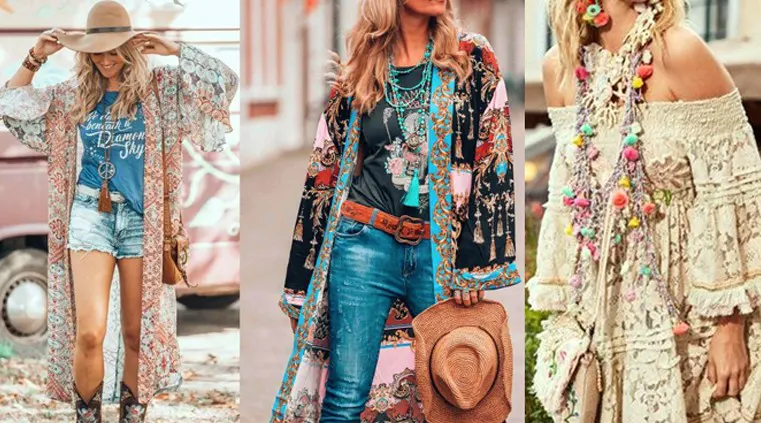
Understanding Fashion as a Global Force
Fashion has evolved into a powerful form of expression, economic influence, and cultural identity. In the United States, Fashion is woven into everyday life, shaping how people communicate personality, status, values, and creativity. During the early stages of the modern industry, clothing served mostly functional purposes, yet today Fashion represents a complex and interconnected system that influences marketing, technology, material innovation, sustainability, and even social behavior. The impact of Fashion continues to expand as consumers seek authenticity, responsible production, and personal expression within their wardrobes.
Within the first few decades of the 21st century, Fashion shifted from seasonal design cycles to rapid, real time trends influenced by digital culture. Social platforms, global events, and cultural movements guide how styles emerge and evolve. At the same time, Fashion has become more personalized than ever. People use clothing to define their identity, challenge societal norms, and communicate individuality within a broad and diverse culture. These shifts illustrate how Fashion functions beyond clothing, shaping economic systems and social interactions alike.
The Foundations of Fashion Design
Fashion design encompasses creativity, craftsmanship, and cultural interpretation. Designers translate concepts into collections that reflect societal moods, technological changes, and artistic visions.
The Creative Process Behind Fashion Collections
Designers follow a detailed creative process that includes:
- Research into historical styles and cultural influences
- Analysis of market trends and consumer behavior
- Fabric selection and texture study
- Rough sketches followed by digital design
- Pattern drafting and sample creation
- Fittings and refinement before production
Each step requires precision and an understanding of both aesthetics and engineering. A single garment may undergo multiple prototypes before meeting design standards.
The Significance of Fabric Selection
Fabric influences comfort, structure, function, and visual appeal. Designers choose materials based on:
- Texture and drape
- Durability
- Breathability
- Fiber origin and environmental impact
- Compatibility with dyeing and printing methods
Natural fibers like cotton, wool, and silk offer timeless qualities, while synthetic fibers support versatility and performance. Blended fabrics often combine the strengths of multiple fibers.
Role of Craftsmanship in Modern Fashion
While technology plays a significant role in production, skilled craftsmanship remains essential. Hand stitching, embroidery, beadwork, and tailoring techniques create garments that reflect quality and longevity. Craftsmanship supports:
- Precise fit
- Strong structural integrity
- Artistic finishing details
- Better wearability over time
Consumers increasingly value craftsmanship as they seek durable pieces rather than disposable clothing.
The Economic Impact of Fashion
Fashion is one of the most influential industries in the world. It affects employment, trade, retail innovation, and digital commerce.
Job Creation Across Multiple Sectors
Fashion supports millions of jobs across:
- Design studios
- Textile mills
- Manufacturing facilities
- Retail businesses
- Fashion marketing agencies
- Logistics and supply chain operations
These sectors rely on both creative talent and technical expertise, creating opportunities for a wide range of skill sets.
Retail Evolution and Consumer Behavior
Retail has transformed significantly as consumers shift toward digital purchasing. Modern retail strategies include:
- Web based boutiques
- Personalized shopping algorithms
- Virtual try on technology
- Subscription boxes
- Social commerce driven by influencers
These strategies reflect a consumer base that values convenience, speed, and personalized recommendations.
Importance of Fashion Education and Research
Advanced fashion programs prepare students for specialized roles in design, textiles, merchandising, and product development. Research institutions contribute by studying:
- Material innovation
- Ethical sourcing
- Consumer psychology
- Trend forecasting
- Apparel engineering
This research supports industry growth and strengthens long term sustainability.
Sustainable Fashion and Ethical Production
Growing awareness of environmental concerns has significantly influenced how Fashion is designed, manufactured, and consumed.
Sustainable Fabric Alternatives
Innovative materials reduce ecological impact. These fabrics include:
- Organic cotton grown without harmful chemicals
- Bamboo fiber known for its softness and breathability
- Recycled polyester created from post consumer plastics
- Linen and hemp which require minimal water
- Lab grown leather alternatives
These materials help reduce waste while maintaining performance and visual appeal.
Ethical Labor and Fair Production Practices
Ethical production protects workers across all stages of the supply chain. Standards include:
- Fair wages
- Safe and clean working environments
- Reasonable work hours
- Transparent sourcing agreements
- Zero tolerance policies for forced labor
Consumers increasingly demand clarity about how their clothing is made, motivating brands to prioritize transparency.
Recycling and Circular Fashion Models
Circular fashion aims to keep materials in use for as long as possible. Strategies include:
- Clothing repair services
- Recycling programs for worn textiles
- Garment take back initiatives
- Upcycling workshops
- Rental and resale platforms
These approaches reduce landfill waste and encourage mindful consumption.
Fashion as a Reflection of Culture
Fashion is deeply connected to identity, tradition, and cultural expression. Throughout American history, clothing has served as a mirror of social change.
Fashion as a Form of Identity
People express personality, lifestyle, and beliefs through their wardrobe choices. Fashion communicates:
- Creative taste
- Professional identity
- Cultural background
- Social affiliations
- Individual values
From streetwear to tailored suits, clothing offers endless pathways for self expression.
Influence of Music, Art, and Pop Culture
Music and art heavily influence modern Fashion. Styles often emerge from:
- Hip hop culture
- Rock genres
- Contemporary street art
- Film and television characters
- Youth movements
These influences ignite trends that spread across regions and demographics.
Cultural Preservation Through Clothing
Traditional clothing preserves cultural heritage. Cultural Fashion keeps:
- Historical textiles alive
- Symbolic patterns relevant
- Traditional crafting techniques practiced
- Generational stories shared
This preservation connects communities and reinforces cultural identity.
Technology and Innovation in Fashion
Technology has expanded the boundaries of what Fashion can achieve. Digital platforms, smart textiles, and automated production are reshaping the industry.
The Rise of Fashion Technology
Fashion technology integrates design with digital innovation. Examples include:
- 3D modeling software
- Virtual fitting rooms
- AI powered trend forecasting
- Digital patternmaking tools
- Customizable clothing algorithms
Technology increases efficiency and reduces material waste during the development phase.
Smart Textiles and Wearable Technology
Smart textiles enhance function and comfort through embedded technology. Innovations include:
- Temperature controlled fabrics
- Moisture wicking sports materials
- UV protective fibers
- Fitness tracking garments
- LED embellished fashion pieces
These textiles merge practicality with creativity, offering new ways to enhance user experience.
Automated Manufacturing and Robotics
Automation speeds production while improving precision. Benefits include:
- Consistent stitching quality
- Faster cutting and sewing
- Lower material waste
- Improved workplace safety
- Enhanced scalability
Automated systems allow designers to focus more on creativity and less on repetitive tasks.
Psychological Influence of Fashion
Fashion influences mood, confidence, and social interactions. Clothing affects how people perceive themselves and how others perceive them.
The Concept of Enclothed Cognition
Enclothed cognition describes how clothing influences mental performance and self perception. For example:
- Wearing formal attire can boost confidence
- Athletic wear may encourage physical activity
- Professional outfits can enhance focus
Clothing shapes mindset, even when the change feels subtle.
Fashion’s Social Signaling Power
Clothing communicates status, taste, and group membership. People often form first impressions based on:
- Color choices
- Fit and tailoring
- Style coordination
- Footwear selection
- Grooming habits
Fashion assists in building social connections and navigating different cultural settings.
Emotional Expression Through Style
People use Fashion to reflect their emotional state. Bright colors may convey positivity while minimal designs may indicate focus or calm. Style becomes a tool for emotional communication.
Building a Personal Fashion Identity
Creating a strong personal style requires intentional choices and self reflection.
Understanding Personal Aesthetic
People can define their style by exploring:
- Color palettes that complement skin tone
- Preferred silhouettes
- Lifestyle needs and comfort
- Signature accessories
- Inspirations from art, film, or culture
A well defined aesthetic improves wardrobe consistency.
Building a Functional Wardrobe
A functional wardrobe includes versatile pieces that work together effortlessly. Key components include:
- High quality basics
- Layering essentials
- Tailored outerwear
- Shoes suited for multiple settings
- Timeless accessories
This approach reduces clutter and supports sustainable consumption.
Importance of Fit and Tailoring
Even the most expensive clothing looks ineffective without proper fit. Tailoring improves:
- Comfort
- Confidence
- Structural alignment
- Aesthetic appeal
Small adjustments often make a significant impact on overall presentation.
Frequently Asked Questions
How can someone develop their personal style without following trends?
Start by identifying colors, fabrics, and silhouettes that feel comfortable and reflect your personality. Build a wardrobe around pieces you genuinely enjoy rather than items influenced by short term trends. Over time, your style will become more consistent.
Why do people say investing in quality clothing saves money?
High quality clothing lasts longer, fits better, and maintains its appearance with regular care. Although the initial cost is higher, you replace items less frequently, which reduces long term spending.
What is the best way to maintain delicate fabrics?
Use gentle detergents, cold water cycles, and air drying whenever possible. Store delicate fabrics in breathable garment bags and keep them away from direct sunlight to avoid fading.
How does Fashion influence confidence?
When clothing fits well and reflects your identity, you feel more comfortable in social and professional settings. This comfort improves posture, communication, and overall confidence.
Are sustainable Fashion choices more expensive in the long term?
Not always. Sustainable clothing tends to be more durable and holds its shape over time. You purchase fewer replacements and reduce waste, making it a cost effective option.
If you want an article tailored to a specific Fashion niche such as luxury wear, streetwear, textile technology, or sustainable design, I can prepare a more focused version.
