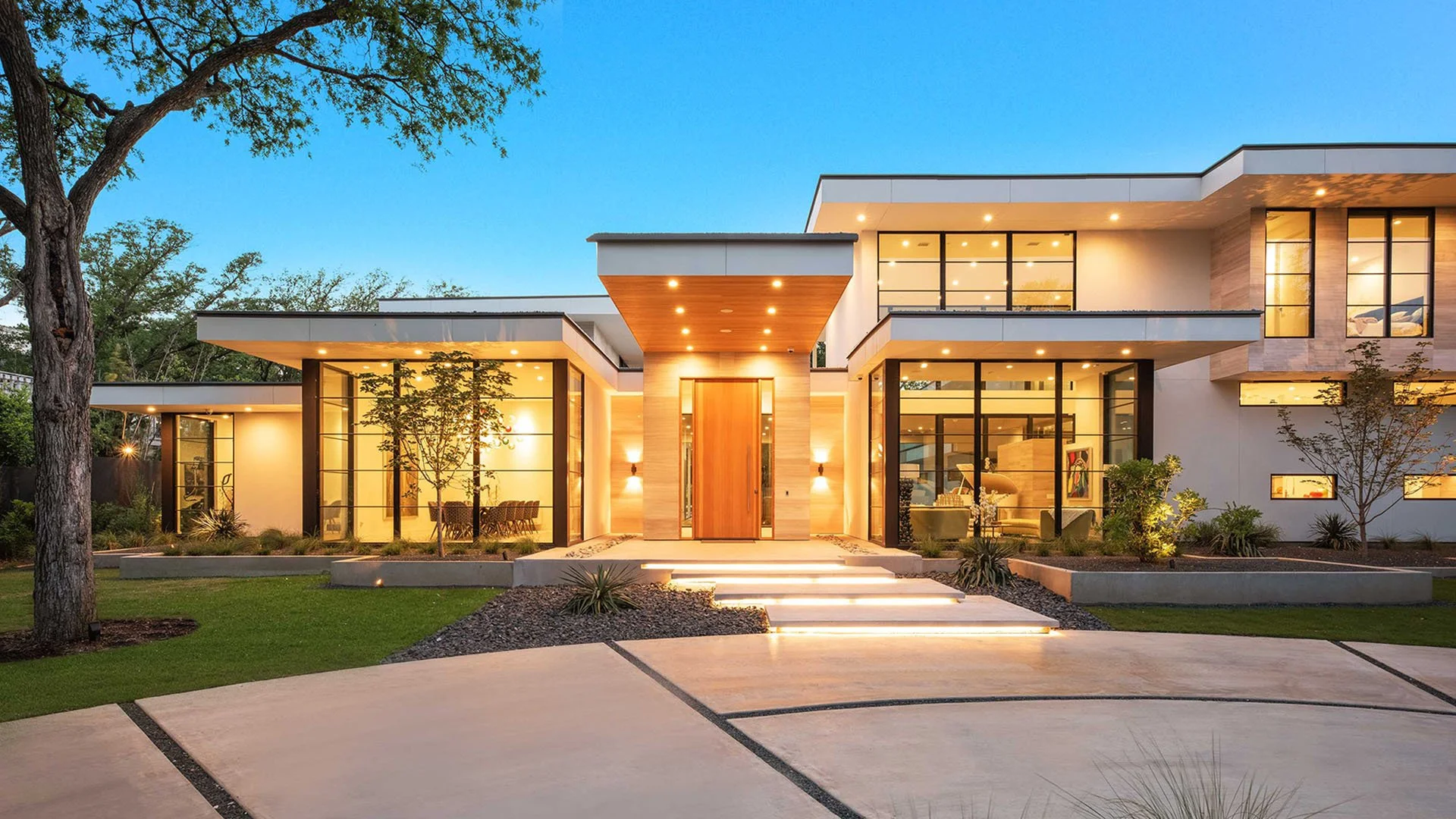
Understanding the Home in a Changing Society
The concept of Home has transformed dramatically over the past few decades. What once served as a simple living space now functions as a multi purpose environment shaped by technology, lifestyle shifts, and evolving cultural expectations. In the United States, Home is no longer defined solely by architecture or location. It represents comfort, identity, productivity, and long term financial value. During the first stages of building or refining a Home, people consider how layout, functionality, and personalization work together to create a space that supports both well being and efficiency.
As households adapt to new demands such as remote work, health focused design, and advanced technology, the Home has become an essential part of personal stability and daily performance. More people rely on their Home for career flexibility, education, fitness, relaxation, and social connection. These changes have pushed Home design and maintenance to become more intentional and research driven. By understanding the layers that shape a modern Home, homeowners can create environments that enhance comfort, productivity, and long term satisfaction.
The Foundations of a Functional Home
A high functioning Home blends structural integrity, thoughtful design, and lifestyle adaptability.
Structural Strength and Long Term Durability
The physical structure of a Home is the foundation for safety and longevity. Factors that strengthen structural quality include:
- Reinforced framing and foundation stability
- High grade roofing materials
- Moisture and mold prevention systems
- Durable exterior siding
- Updated plumbing and electrical systems
Regular inspections ensure that small issues such as leaks, cracks, or outdated wiring do not turn into expensive repairs.
Space Planning and Efficient Layouts
Efficient space planning maximizes usability and comfort. A well planned layout supports:
- Easy movement between rooms
- Natural light distribution
- Multi functional living spaces
- Noise control
- Organized storage options
Open floor plans remain popular for creating connected social spaces, while defined areas offer privacy for work and relaxation.
Indoor Air Quality and Ventilation
Air quality significantly affects health and energy levels. Maintaining clean indoor air involves:
- Proper ventilation systems
- High quality air filters
- Reducing household chemicals
- Managing humidity
- Regular HVAC maintenance
Clean air supports respiratory health and reduces seasonal allergies.
The Role of Interior Design in Modern Living
Interior design shapes how people feel and behave inside their Home. It blends aesthetic expression with daily function.
Color Psychology and Mood
Colors influence emotional states and energy levels. Different tones contribute to:
- Calm and relaxation through blues and neutrals
- Warmth and comfort with earthy shades
- Focus and productivity through greens
- Creativity and stimulation with bold accents
Choosing colors intentionally helps reinforce the function of each room.
Furniture Placement and Flow
The placement of furniture affects comfort, movement, and social interaction. Effective arrangements include:
- Adequate walkway space
- Balanced room proportions
- Ergonomic seating options
- Surfaces that support daily activities
- Lighting positioned for reading or work
Furniture should enhance both aesthetics and function.
Interior Lighting Strategies
Lighting impacts visibility, mood, and even sleep cycles. A strong lighting plan includes:
- Natural light where possible
- Layered lighting using overhead, task, and accent fixtures
- Energy efficient bulbs
- Adjustable lighting for different activities
- Smart controls for convenience
Lighting design becomes especially important in workspaces and living areas.
Smart Home Technology and Everyday Efficiency
Technology has reshaped Home functionality by providing convenience, security, and energy savings.
Connected Home Systems
Smart systems increase efficiency and comfort. Common features include:
- Automated lighting and climate control
- Smart thermostats that adjust to behavior patterns
- Voice activated assistants
- Remote appliance control
- Home management apps
These tools help streamline daily routines and reduce energy waste.
Security and Monitoring Solutions
Home security has expanded beyond door locks. Modern solutions include:
- Video doorbells
- Motion detection systems
- Smart door locks
- Real time surveillance apps
- Window and door sensors
Security systems help homeowners feel protected whether they are home or traveling.
Energy Efficiency and Cost Control
Energy conscious homes save money and reduce environmental impact. Energy efficient upgrades include:
- High performance windows
- Insulated doors
- Solar panels
- Energy efficient appliances
- LED lighting
Smart energy monitoring offers insights into usage patterns and opportunities for savings.
Creating Healthy Living Environments
Health focused design supports physical and emotional well being.
Clean and Non Toxic Materials
Building and furnishing a Home with healthier materials reduces exposure to harmful chemicals. Consider:
- Low VOC paints
- Solid wood furniture instead of composites
- Natural fabric window treatments
- Hypoallergenic flooring
- Non toxic cleaning products
These materials support healthier indoor environments.
Wellness Spaces Within the Home
The rise of wellness design encourages dedicated areas for relaxation and restoration. Examples include:
- Home gyms
- Meditation areas
- Spa inspired bathrooms
- Outdoor gardens or patios
- Quiet reading nooks
These spaces help reduce stress and support mental clarity.
Noise Reduction Strategies
Noise pollution impacts sleep, concentration, and stress. Noise reduction techniques include:
- Acoustic panels
- Soft furnishings that absorb sound
- Double pane windows
- Thick rugs or carpets
- Strategic room placement
A quieter Home promotes better overall well being.
Outdoor Living and Property Enhancements
Outdoor spaces extend Home functionality and increase property value.
Landscaping for Function and Appeal
High quality landscaping improves curb appeal and environmental health. Elements of strong landscaping include:
- Native plants that require minimal water
- Functional pathways
- Shade trees
- Healthy soil management
- Seasonal color variety
Landscaping also provides privacy and supports biodiversity.
Outdoor Entertainment and Relaxation Spaces
Outdoor living areas create opportunities for social gatherings and leisure. Popular features include:
- Patios and deck areas
- Outdoor kitchens
- Fire pits
- Comfortable seating zones
- Relaxation hammocks or lounges
These spaces create a natural extension of indoor living.
Home Gardening and Sustainability
Gardening supports sustainability and nutrition. Home garden options include:
- Vegetable beds
- Fruit trees
- Herb gardens
- Container gardens
- Vertical planting systems
Gardening promotes physical activity and provides fresh, home grown produce.
Home Maintenance and Long Term Care
Regular maintenance ensures safety, value, and comfort.
Seasonal Home Maintenance Tasks
Seasonal maintenance protects the Home from wear and damage. Common tasks include:
- Roof inspections
- Gutter cleaning
- HVAC servicing
- Weatherproofing doors and windows
- Landscape trimming
These tasks prolong the lifespan of structural components.
Appliance Care and Longevity
Appliances last longer with proper care. Maintenance includes:
- Cleaning refrigerator coils
- Descaling water heaters
- Changing washing machine filters
- Testing smoke detectors
- Checking dishwasher seals
Regular upkeep prevents unexpected breakdowns.
Plumbing and Electrical Maintenance
Safe plumbing and electrical systems reduce hazards. Maintenance should include:
- Leak checks
- Pipe insulation during cold seasons
- Outlet testing
- Circuit breaker evaluations
- Regular professional inspections
These precautions protect both property and personal safety.
Financial Importance of the Home
A Home holds long term financial significance for most families.
Building Equity Over Time
Homeownership helps build financial security through:
- Mortgage principal reduction
- Property value appreciation
- Potential rental income opportunities
- Tax related advantages
- Long term stability
Equity becomes a long term asset that can support retirement, loans, or other financial goals.
Renovations That Add Value
Strategic renovations improve both functionality and financial return. High value upgrades include:
- Kitchen remodels
- Updated bathrooms
- Enhanced outdoor spaces
- Structural improvements
- Energy efficient upgrades
Not all renovations require major investment; small updates can also increase appeal.
Long Term Market Considerations
Housing markets shift based on economic conditions, location, and demand. Factors influencing Home value include:
- School district quality
- Proximity to amenities
- Crime rates
- Job market strength
- Community development plans
Understanding these factors helps homeowners make informed decisions.
Frequently Asked Questions
What is the most important first step when improving a Home?
Start by identifying how each room is used and determining which areas create the most daily stress. This helps prioritize improvements that offer immediate lifestyle benefits.
How can someone make a small Home feel more spacious?
Use lighter wall colors, mirrors for depth, multi functional furniture, and vertical storage solutions. These techniques open visual space and improve flow.
What is the best way to reduce household energy costs?
Focus on improving insulation, upgrading to energy efficient appliances, and using smart thermostats. Small changes in daily habits, like turning off unused lights, also create measurable savings.
How often should homeowners schedule professional inspections?
Annual inspections for HVAC, roofing, and plumbing help prevent major issues. Additional inspections may be needed after storms or noticeable changes in system performance.
How can renters personalize their Home without permanent changes?
Renters can use removable wallpaper, freestanding furniture, portable lighting, and decorative textiles. These items transform a space without altering the structure.
If you would like a specialized Home article focused on interior design, smart technology, property value, wellness design, or renovation strategies, I can create a more detailed version.
